
Movement Breaks: Get Kids Moving to Reset Focus
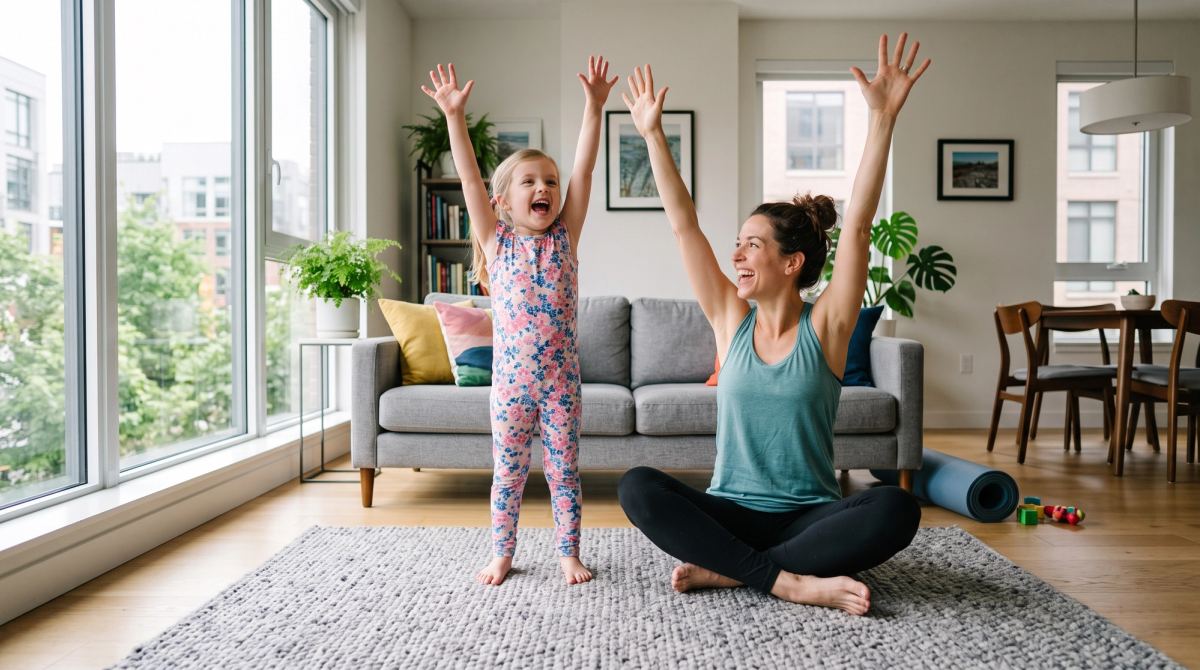

The chair-tipping, the wriggling, the trip to sharpen a pencil that doesn't need it — it reads like a child who has stopped trying, bu usually it's the opposite. It's a brain that has run out of attention, asking for input the only way it knows how: through the body. Movement breaks are how you answer that request. A few minutes of the right kind of movement, and a child who was drifting can come back to the task, because their brain got what it was asking for.
Movement breaks are short bursts of physical activity, usually two to five minutes, that children take between tasks to reset their focus. They work by re-engaging attention through the body rather than by asking a child to concentrate harder.
Key takeaways
- A movement break is a short burst of physical activity used to reset attention.
- Coordination matters more than exertion. Moves that cross the body's midline typically do more for focus than running on the spot.
- A short break you run every day beats a long one you try once.
Why movement resets the brain
Attention isn't a tap a child can turn back on by deciding to. It runs down, and it refills through the body. Two things do most of the work. The first is cross-lateral movement: any move where a limb crosses the midline (like right hand to left knee). Both sides of the brain have to coordinate through the corpus callosum, and that demand appears to wake up the same systems that handle focus and self-control.
The second is gross motor and proprioceptive input — big-muscle, push-pull movement that tells a restless body where it is in space and typically settles it.
The research points to something slightly surprising: the movement pattern. In one study of adolescents, 10 minutes of coordinative, bilateral exercise improved concentration more than a non-coordinative session of the same intensity — the coordination demand drove the benefit, not the effort. A classroom study of 11- and 12-year-olds found the same from the other direction: cognitively engaging activity breaks improved focused attention and processing speed, while plain running produced no measurable gain.
So: jumping jacks burn energy, but a cross-crawl march tends to buy attention back. We go deeper in our guide to brain activation exercises for kids.
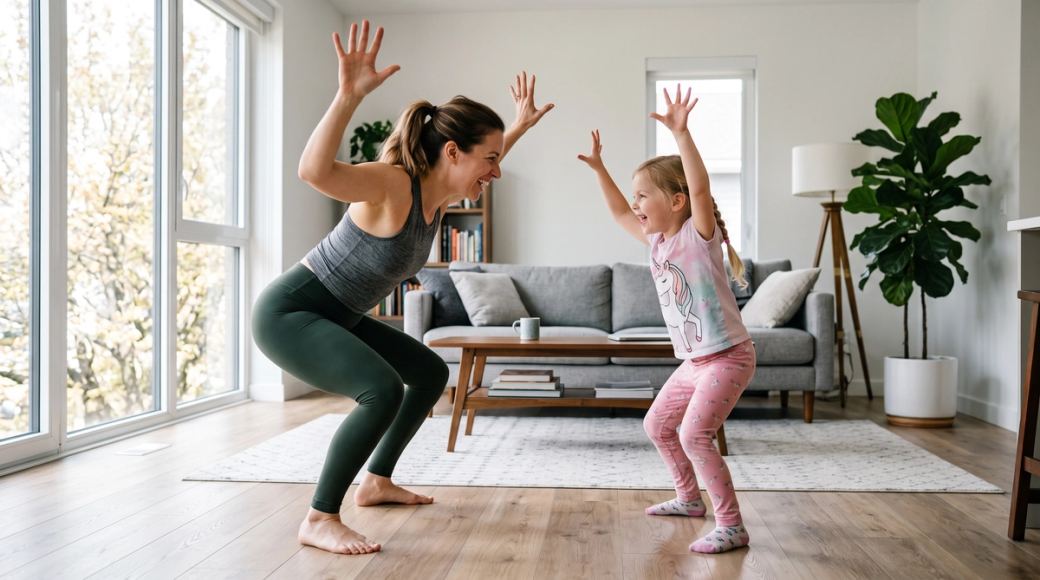
Movement break ideas you can run in two minutes
These brain break exercises need no equipment and no space beyond a rug.
Cross-lateral moves — for focus
- Cross-crawl march. March on the spot, right hand to left knee, then left to right. Count together, then beat the count.
- Lazy eights. Draw a big figure eight in the air, eyes following your hand. Swap arms.
- Mirror me. Make slow arm shapes for your child to copy.
Big-motor moves — for restless energy
- Animal walks. Bear-crawl one way, crab-walk back.
- Wall pushes. Ten slow pushes against a wall, as if moving it. Deep pressure, no noise.
- Jump and freeze. Ten star jumps, then freeze on your signal and hold.
Balance moves — for settling down
- Flamingo count. Stand on one leg for a count of ten, then swap. Harder with eyes shut.
- Heel-to-toe line. Walk an imaginary tightrope across the room, then backwards.
- Melting statue. Stand frozen, then melt to the floor, one body part at a time.

How long should movement breaks be, and how often
One to five minutes suits most children — long enough to shift state, short enough that returning to the task isn't its own battle. Short brain breaks work better than long ones because they don't become the main event.
On frequency: more often than feels necessary. Every 20 to 30 minutes of focused work is a reasonable rhythm for school-age children, and more often for younger ones. The signal to watch isn't the clock — it's the fidget.
A two-minute break you run daily does more than a whole session you try twice and abandon. Anchor breaks to moments the day already gives you — after school, before homework, the stretch before dinner.
That's what we've built into our Brain Activation Plan for Kids: short, movement-based practices you do together, matched to your child's age and to whatever's hardest right now.

Find the plan that fits your child
What this looks like over a week
Lists are easy to read and hard to start.
We partnered with James, who ran our kids' plan with his nine-year-old, Everett, for a week, with his older two joining the games. What he found useful wasn't a single exercise — it was doing the practice together, instead of everyone on a separate screen.
Frequently asked questions
What is a movement break?
How long should movement breaks be?
What are movement breaks for 6th grade?
Where to start with movement breaks
If you've never done anything like this before, start with one move rather than a routine. Stand up with your child, tap right hand to left knee, then left hand to right knee, and count twenty taps together. That's the whole thing — about one minute, no equipment, nothing to prepare or look up.
Then attach it to a moment you already have, so it isn't one more thing to remember — it might be just those five minutes before homework. Do it with them rather than calling instructions from the doorway; joining in is most of what makes it land.
Run such exercises daily for a few weeks, and for the broader set, see our guide to brain breaks for kids.
Movement breaks work not because any single exercise is magic, but because a child's brain gets a repeated signal that it can come back to focus through the body.
Get a plan built around your child
Related articles

Easy Brain Breaks for the Classroom
Brain breaks for the classroom: an evidence-informed teacher's guide to quick movement resets that refocus a class — by grade, energy level, and transition.
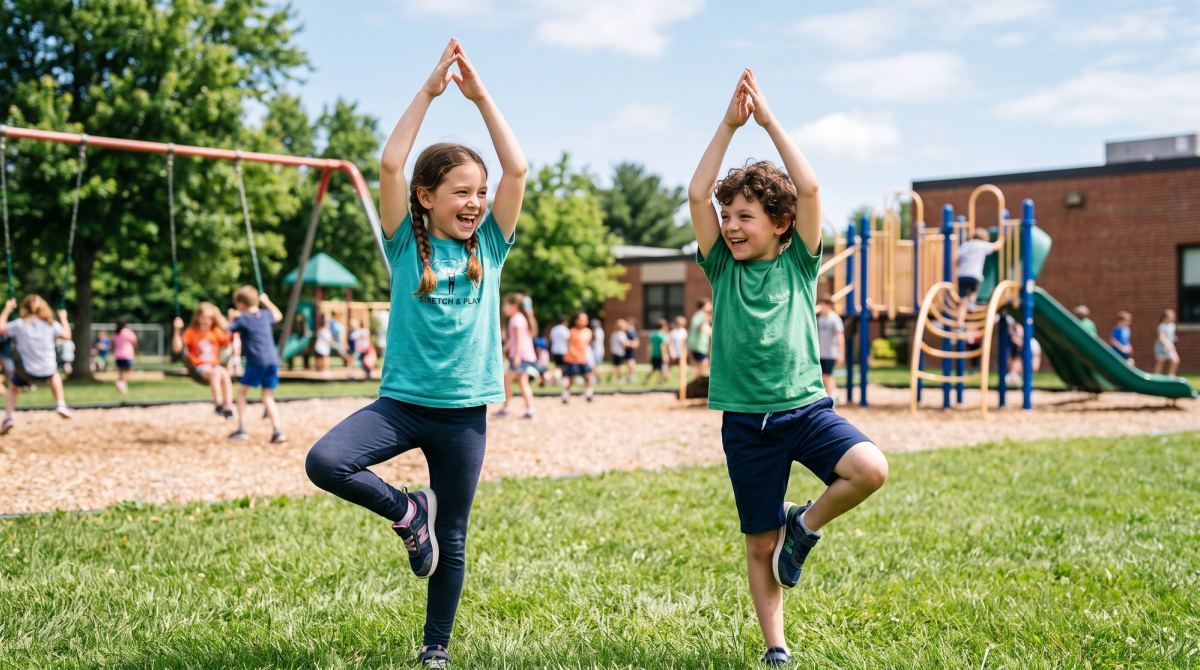
Brain Breaks for Students: Elementary & Middle School
Brain breaks for elementary and middle school students — age-appropriate movement resets that refocus a class or a tween at home, without the kiddie feel.
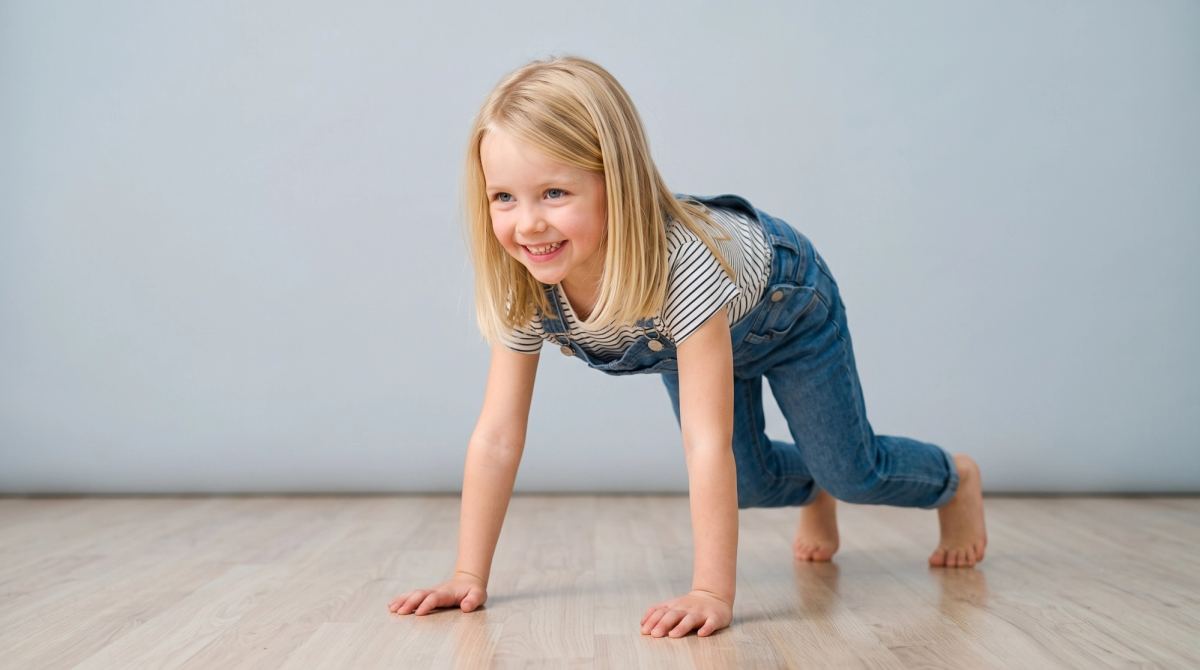
Brain Breaks for Kindergarten and Preschool (Ages 3–6)
Brain breaks for kindergarten and preschool: short, playful movement pauses for ages 3–6 that reset wiggly focus at circle time or at home.
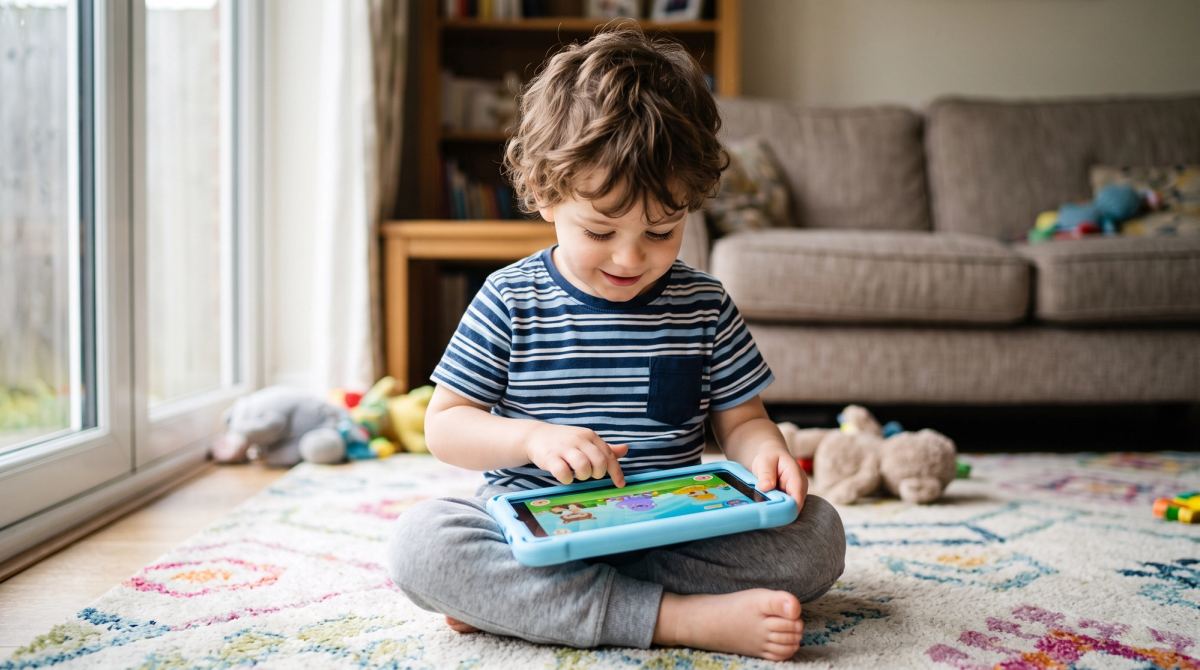
How to Reduce Screen Time for Kids | Healthy Habits with Leaply
How to reduce screen time for kids without tantrums: age-banded limits, calm transitions off devices, and healthy digital habits that actually stick.