
Brain Breaks for Kindergarten and Preschool (Ages 3–6)
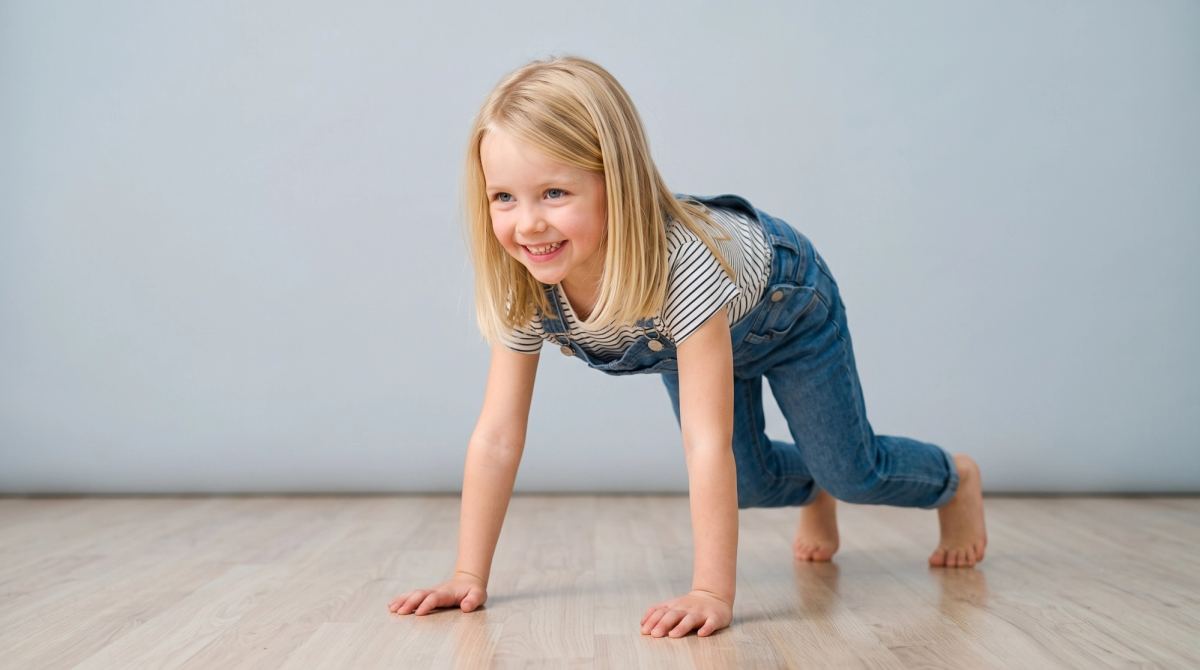

Circle time has three minutes left, and half the room is on the carpet. One child is spinning. Two are poking each other. Nobody is listening — and that isn't misbehavior. It's a small nervous system that has simply run out of "sitting still."
This is the exact moment brain breaks for kindergarten and preschool are built for. A brain break is a short, playful movement pause that lets a young child shake out the wiggles, reset their focus, and come back ready. No equipment. No prep. Just a move, a bit of a story, and you doing it with them.
Brain breaks work at every age, but for ages 3–6, the moves look a little different.
Brain breaks for kindergarten and preschool are short, playful movement pauses — usually thirty seconds to two minutes — that help children aged 3–6 release energy, settle big feelings, and reset their attention between activities. Wrapped in a simple story or animal action, they work at circle time, during transitions, or at home.
Key takeaways
- A brain break is a short movement pause to reset a young child's focus — not a reward, and not a time-filler.
- For ages 3–6, the ones that work are short, story-wrapped, and movement-based — "hop like a bunny," not "sit still and breathe."
- They work best when you do them with your child. A young nervous system borrows its calm and its energy from yours.
What makes a brain break work for ages 3–6
A brain break for a five-year-old looks nothing like one for a ten-year-old. At this age, three things make the difference.
Keep it short. A young child's focus is measured in minutes, not lesson blocks — so the break is too. Thirty seconds to two minutes is plenty. Any longer, and you lose them to the game itself.
Make it a movement. The reset happens through the body. When a child crosses the midline (right hand to left knee), balances on one foot, or takes a few slow belly breaths, they re-engage the brain through the body — the same brain-body connection we build the whole plan around. We go deeper into the mechanism in our guide to brain activation exercises for kids.
Wrap it in a story. This is what makes preschool brain breaks land. "Touch your knee like a sleepy bear" works; "do a cross-crawl" doesn't. At ages 3–6, the language and pretend-play layer is wiring right alongside the movement. One review of prekindergarten children found that more active play was linked to better self-regulation, which in turn was linked to stronger early reading and math. Through games and playful activities, children practice focusing attention, working memory, and self-control.

Circle-time and transition brain breaks
If you use brain breaks only once, use them at the transition — for example, the switch from play to clean-up. Transitions are where wiggly focus falls apart, because you're asking a young brain to stop one thing and start another. A brain break bridges that gap. The same moves scale down for the youngest, too — brain breaks for preschoolers just run shorter and sillier.
A few that work at circle time and between activities:
- The tidy-up freeze. Play a short burst of music; everyone moves while it plays and freezes like a statue when it stops. Two or three rounds, then straight into what's next. It turns "stop" into a game instead of a battle.
- Sleepy bear wakes up. Curl up small and "asleep," then slowly stretch tall, shake out each paw, and give one big yawn. Good for waking a drowsy post-nap room.
- Slow bunny hops. Count a handful of hops together, getting quieter with each one — a way to bring energy down before you need them seated.
The trick is consistency: use these moves as your signal every day, and it becomes the cue that means "we're changing now." That predictability is calming in itself.
For a full classroom system, see our teacher's guide to brain breaks for the classroom.


Not sure which of these fits your child best?
Kindergarten brain breaks to try today
Here's a starter set of kindergarten brain breaks, grouped by what your child's brain needs.
Wiggly and climbing the walls? Start active to burn energy off. Wound-up and tipping toward tears? Go calm. Pick two or three and rotate — and do them with your child. At this age they co-regulate off you: your steady voice and your body doing the move are half of why it works.
Active moves to release energy
- Stomp like a dinosaur. Big, heavy stomps around the room, then a giant roar — then shrink down to a tiny mouse and tiptoe. The size contrast is the reset.
- Airplane arms. Arms out wide, tip side to side, and "fly" one slow loop around the room before coming in to land. Balance plus a focus target in one.
- Freeze dance. Dance while the music plays, freeze when it stops. It sneaks in a little self-control every time they hold the freeze.
Calm moves to settle down
- Balloon belly. Hands on the tummy; breathe in slowly to "blow up the balloon," then let the air out with a long "ssss." Three rounds. This is the one to reach for before it tips into a meltdown.
- Turtle tuck. Curl up small inside your "shell," take three slow breaths in the quiet, then peek out. A tiny, portable calm-down for an overfull room.
- Melting snowman. Stand tall and "frozen," then melt — slowly, part by part — all the way down to a puddle on the floor. It slows a racing body right down.
These carry up into the early school years, too: the same moves make solid brain breaks for first grade, just with a slightly longer runtime and a bit more challenge for 1st graders.
For the quiet, breath-based end of the spectrum, our guide to calming brain breaks goes deeper.
Building the habit at home
A single brain break rescues a hard moment. A daily rhythm of them builds something bigger: a child who can settle, shift focus, and bounce back a little more easily each week.
Consistency matters far more than intensity here — a two-minute move you actually do every day beats a big "focus program" you run twice and abandon.
The easiest way to make it stick is to anchor breaks to moments the day already gives you: one after wake-up, one before dinner, one in the "we need shoes on now". These are windows of opportunity — small, repeatable slots where a quick reset does the most good.
This is what we've built into our Brain Activation Plan for Kids: short, movement-based practices you do together, matched to your child's age and to whatever's hardest right now — the wiggles or the big feelings. A few minutes a day, no equipment, done as a pair.
Which one would help your child most right now?
Give it time — and expect every child to be different
Every child settles differently. Some kids are calmer by nature, some are more easily upset by noise or change, and some are still learning to settle themselves. One child settles in a minute; another needs the routine to become a familiar habit first; and some days, even a well-chosen break won't be quite enough to move smoothly into the next thing.
That's all normal — and much of what makes a brain break calming is simply the predictability, which builds over weeks of gentle repetition.
What helps most is staying consistent, watching closely to see which moves actually work and when, and adjusting as you go — swapping a move, making it shorter, or trying a different moment. Progress can look different from one child to the next, and from one week to the next.
In preschool, a brain break should not simply be an improvised response when children become restless. From my experience, it is most useful when it becomes part of an intentionally planned and predictable classroom routine. Teachers can identify the moments of the day when attention and transitions are more challenging and introduce short movement, storytelling or relaxation activities accordingly. And we should remember that children do not all respond in the same way or at the same pace: these routines need consistency, observation and time.

When a brain break isn't enough
Brain breaks are a daily tool, not a fix for everything. Most wiggly, big-feeling behavior at this age is simply a young nervous system doing its job. But if a child seems constantly unable to settle even with your help, or if you have questions about how they're developing, that's a conversation for your pediatrician — not something a movement break is meant to carry. Trust what you're seeing, and ask.
Frequently asked questions
What are brain breaks for kindergarten?
How long should a brain break be for a 5-year-old?
How often should you do brain breaks in a day?
Where to start with preschool brain breaks
Circle time will still fall apart some days. Shoes will still take twenty minutes. That's early childhood. But a small, repeatable set of brain breaks gives you and your child something to reach for in the wobbly moments: a way to shake out the wiggles, lower the volume on big feelings, and come back to the room together.
Start with two or three moves. Do them with them. Keep them short. The rest builds from there.
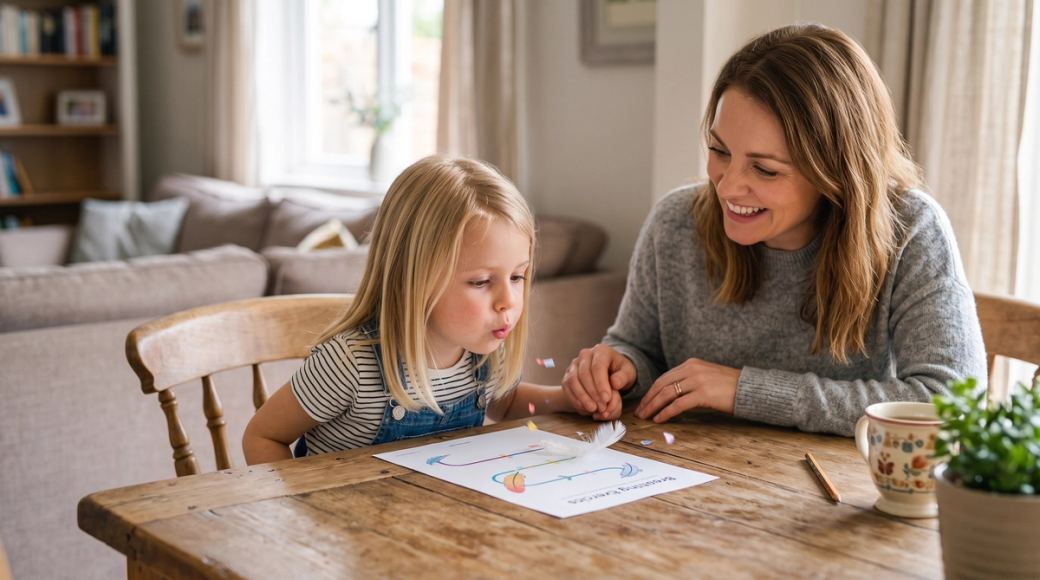
Find the brain break that fit your child
Related articles
Movement Breaks: Get Kids Moving to Reset Focus
Movement breaks reset a child's focus by working the body first. Here's the science, when to use them, and movement break ideas for class or home.

Easy Brain Breaks for the Classroom
Brain breaks for the classroom: an evidence-informed teacher's guide to quick movement resets that refocus a class — by grade, energy level, and transition.
Brain Breaks for Students: Elementary & Middle School
Brain breaks for elementary and middle school students — age-appropriate movement resets that refocus a class or a tween at home, without the kiddie feel.
How to Reduce Screen Time for Kids | Healthy Habits with Leaply
How to reduce screen time for kids without tantrums: age-banded limits, calm transitions off devices, and healthy digital habits that actually stick.