
Easy Brain Breaks for the Classroom


You can feel a class check out. It usually happens in the back half of a lesson — the shuffling starts, a few heads go down, and the question that would have gotten a clean answer ten minutes ago now gets you blank stares. The room has just run out of attention.
Brain breaks for the classroom are how you get it back. Done well, it costs you five minutes and buys you the next forty.
Brain breaks for the classroom are short movement pauses that a teacher runs between tasks to reset a class's attention. They can be active, to burn off restless energy, or calming, to settle a wound-up room. They work by re-engaging focus through the body, not by asking children to simply try harder.
Key takeaways
- A brain break is a short reset to bring a class's attention back, not a free time.
- Classroom brain breaks work best matched to the moment: something active to burn off restlessness, something calm to settle a wound-up or post-test room.
- What makes them work is the routine, not the novelty — a short reset you run consistently beats a long one you try once.
New to the idea? Our guide to brain breaks for kids covers what they are and a starter set. This guide is for running them with a whole class and how to do it without losing the room.
Why brain breaks work in the classroom
A brain break works through the body. When children move — especially when they cross the midline (right hand to left knee), get their heart rate up for a minute, or use both sides of the body at once — they re-engage the systems that handle attention and self-control. We unpack the neuroscience in our guide to brain activation exercises for kids; here, what matters is that the effect shows up in a real classroom.
One classroom program found that short activity breaks typically improved on-task behavior by around 8% — and the least focused students, the ones you'd most want to reach, improved by about 20%.
Such breaks support attention and on-task behavior. However, they are not a shortcut to higher test scores — the reviewers were explicit that the evidence for academic achievement isn't there yet. So we make the claim we can stand behind: brain breaks help a class stay with you, which is what you need mid-lesson.

When to use them
The best time for a brain break is just before you lose the room, not after.
- At transitions. The shift between subjects, between circle time and desk work — is where attention leaks out. A short reset here doubles as a signal that one thing has ended and the next is starting; good transition activities for kindergarten do this, giving a clear, movement-based bridge from one task to the next.
- After a test or a stretch of hard focus. When a class has been holding still and concentrating, a break lets them discharge before the next demand.
- The post-lunch slump. Early afternoon is the reliable low point of the day. 7 minutes of movement here is worth more than any amount of "settle down, please."
Use a break to change the room's state on purpose, rather than waiting for a class to unravel and reacting to it.
“In my experience, the effectiveness of a brain break should not be measured by how much children enjoy the activity, but above all by what happens immediately afterwards. The real goal is not the break itself, but to help the class return to learning in a better state. Are the students more focused? Are they more attentive? Do they participate more actively in the lesson, raise their hands more often, and show greater interest and curiosity in what comes next? Is the transition to the next activity smooth, and does the class seem ready for a new mental and attentional effort? If we can observe these signs, then the brain break has truly achieved its purpose.”

Brain breaks for the classroom by need: energize, calm, focus
Not every brain exercise does the same job. Match the break to what children need, and it lands. Reach for a high-energy game when a class is already wound up, and you'll only make it worse.
To energize — when a class has gone flat
These are the big-motor, get-the-blood-moving breaks:
- Jumping jacks or star jumps. A fast set, then a few more if the buzz is still there — the quickest way to spike the heart rate and clear a foggy room. All ages: works equally well from 6+
- Animal-walk relay (early primary) / Movement patterns relay (older students).
Ages 6–7: Bear-crawl to the wall and crab-walk back. Big-muscle movement burns off the fidget that's really a brain asking for input.
Ages 8–9: Introduce more varied patterns — skipping, sideways steps, or specific locomotor sequences (not animal-based).
Ages 10+: Replace animal walks with functional movements: quick shuttle runs, high-knee sprints, or partner-mirrored movement relay. - Cross-crawl march. March on the spot, touching opposite hand to knee, and count together — then try to beat the count, faster and cleaner. The cross-body pattern is what re-engages focus. All ages: the coordination challenge scales naturally.
- Desk sprint on the clock. Fast running on the spot beside their chairs for a slow count of ten, then freeze on your signal. No space needed, and it takes the edge off restlessness. All ages: equally effective.
To calm — when kids are over-revved
Wound up after recess, or spun up before a test? A few calming brain breaks to bring the volume down:
- Belly breathing, counted. Hands on the belly, breathe in for a slow count of four and out for six, together, for a few rounds. The long exhale is what signals the body to settle. All ages: universal.
- Four-corner breath. Trace a square in the air — in up one side, hold across the top, out down the other, hold along the bottom. The shape gives a restless mind something to follow. All ages: works well across the range.
- Balance hold (age-adapted).
Ages 6–7: One-foot balance, arms out, hold steady, then swap. Keeping it simple keeps focus narrow.
Ages 8–9: Single-leg hold with eyes closed or small arm movements while balancing to add complexity.
Ages 10+: Longer holds (count to 20+), or challenge with passing an object between hands while balanced. Balancing pulls attention inward, and the quiet tends to arrive on its own. - Slow-motion stretch. Reach up tall, then fold toward the floor as slowly as everyone can manage. Going slowly is the point — it drags the pace of the whole room down with it. All ages: the rhythm works universally.
To focus — when attention is just scattered
When kids are unfocused, give the brain one clear thing to track:
- Ages 6–7: Partner mirror with slow movements; simple beat-your-score balance challenge.
- Ages 8–9: Partner mirror with increasingly complex patterns; a 4-corner memory sequence that gets longer each round.
- Ages 10+: Challenge-based: beat your own balance record, lead-follow with rapid hand patterns, or a timed coordination sequence that requires sustained focus.
The concentration it takes to do them is the reset.

How to run brain breaks for the classroom
- Use a consistent signal — in and out. The same clap-back, or count-in to start and to end. Predictability is what lets a wound-up room settle on cue; novelty is what sends it sideways.
- Time-box it out loud. "Five minutes, then we're back at our desks." Naming the end before you start means coming back is the plan they already agreed to.
- Bring them back with focus. End on a calming or focusing move, so the last minute already walks kids toward the next task.
- Match the break to the real moment:
- Back from break and over-excited? Start energize to burn off the buzz, then finish with a calm move to land them soft.
- Scattered mid-lesson? A slow focus reset beats high-energy every time; no extra stimulation needed.
- Won't settle after the break? Go shorter and calmer next time. The goal is the return to learning, not the activity itself.
A 5-minute reset you run at the same points every day does far more than a "focus activity" you try once and abandon. The routine trains children to settle quickly because they know what's being asked.
From classroom to home
Brain breaks don't stop being useful at the classroom door. The same restlessness you manage at 2 p.m. shows up at the kitchen table over homework — and the same resets work there.
This same movement-based approach is what we build into a personalized at-home plan a parent can run with a child. Our Brain Activation Plan for Kids matches short daily movement practices to a child's age and to whatever's hardest right now — the restlessness, the drifting focus, the meltdowns after a long day.


Try it yourself
Frequently asked questions
What are brain breaks in the classroom?
Are brain breaks evidence-based?
How often should you do brain breaks?
Where to start with brain breaks in the classroom
Brain breaks for the classroom work best when you keep them small, match them to the moment, and run them often enough that a class settles the second you give the signal. So pick one to start with this week: an energizer for the afternoon dip, or a rainbow relaxation before a test — and build from there.
Keep it short and regular, and it stops being something you manage and becomes something the class does with you. That's the whole point.
Related articles

Calming Brain Breaks: Quiet Activities to Settle Kids Down
Calming brain breaks: quiet, breath-and-balance activities that settle a wound-up child, including rainbow breathing, for home or the classroom.
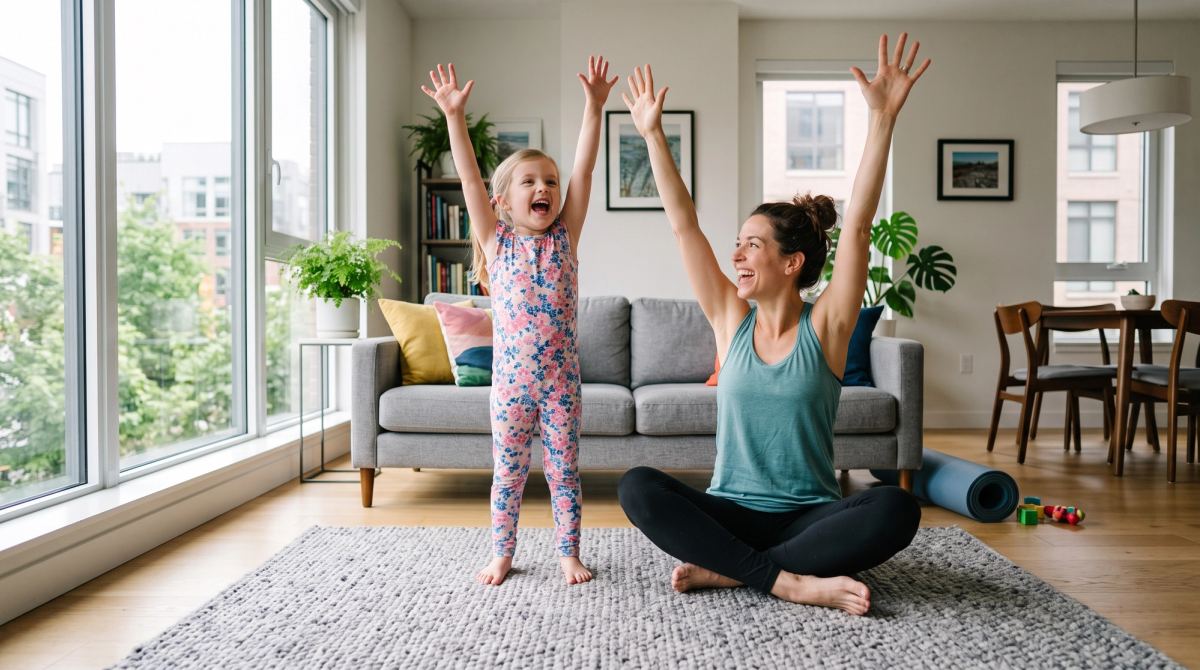
Movement Breaks: Get Kids Moving to Reset Focus
Movement breaks reset a child's focus by working the body first. Here's the science, when to use them, and movement break ideas for class or home.
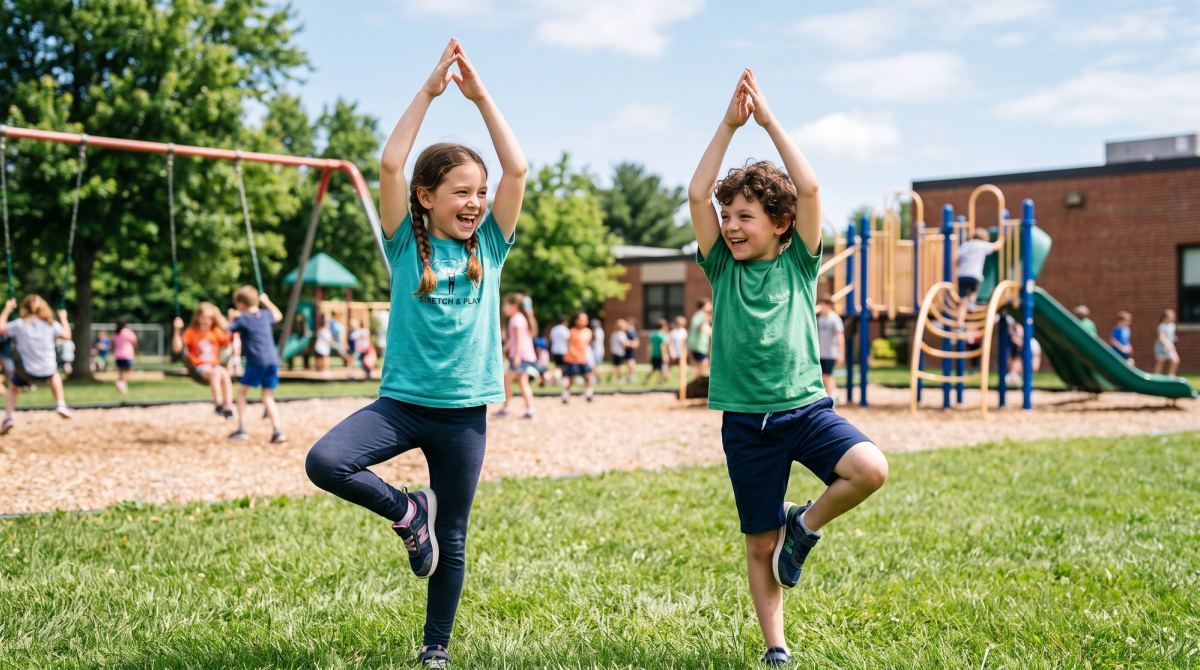
Brain Breaks for Students: Elementary & Middle School
Brain breaks for elementary and middle school students — age-appropriate movement resets that refocus a class or a tween at home, without the kiddie feel.
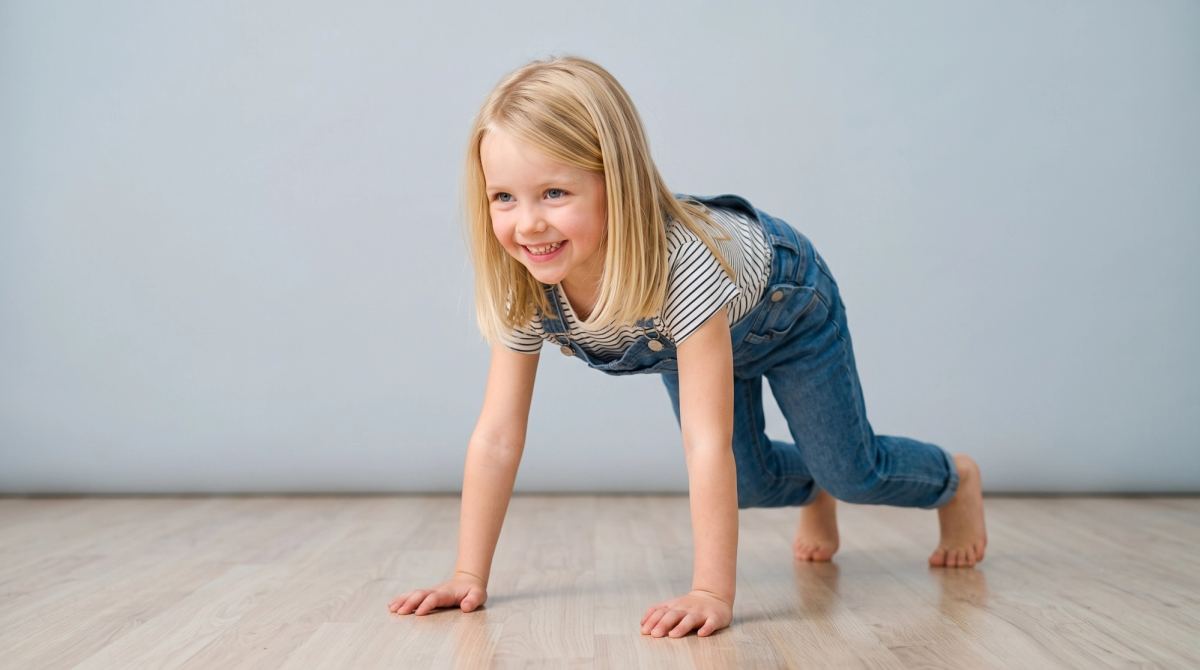
Brain Breaks for Kindergarten and Preschool (Ages 3–6)
Brain breaks for kindergarten and preschool: short, playful movement pauses for ages 3–6 that reset wiggly focus at circle time or at home.