
Brain Breaks for Kids: Quick 5-Minute Exercises to Reset Focus at Home
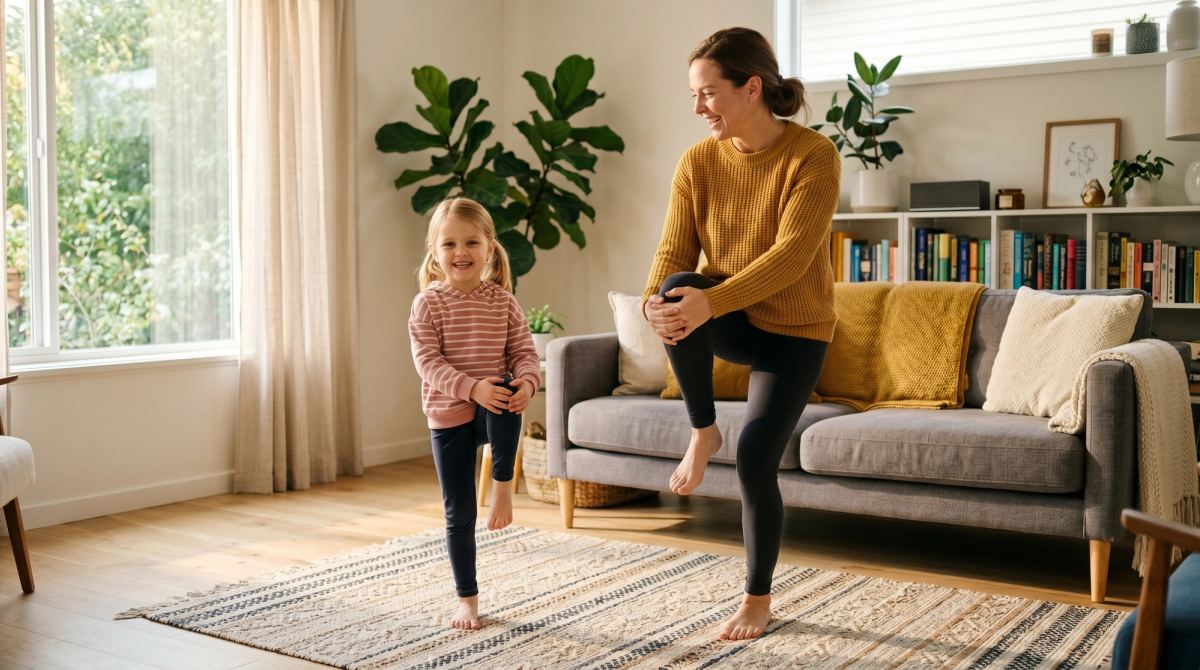

It's 4 p.m. and they're bouncing off the kitchen counter while you try to start dinner. It's the after-school unravelling, when everything you say lands wrong. It's homework hour, and they've stared at the same maths problem for eight minutes. Or post-iPad, and the next twenty minutes are reactive in a way the rest of the day isn't.
If any of that sounds familiar, your child doesn't need a longer attention span. They need a brain break.
Brain breaks for kids are short, movement-based pauses — usually 5 to 10 minutes — that help a child's brain reset focus, release stuck energy, or calm a dysregulated nervous system. They aren't workouts or rewards. They're a small daily input that uses the body to shift what the brain is doing.
This guide gives you the moves, grouped by what the moment needs — plus how to build fun brain breaks for kids into a daily habit.
Key takeaways
- Brain breaks for kids are short movement-based pauses that help a child's brain reset, release, or calm.
- Use them between tasks, after screens, or when a meltdown is brewing.
- The moves group into three: focus reset, energy release, and calm-down.
- All are no-equipment, parent-led, and work in living rooms, kitchens, classrooms, and waiting rooms.
- Consistency beats intensity — small daily breaks shape attention more than weekly long sessions.

What are brain breaks for kids?
The brain break definition is simple: a short pause that changes the brain's state through the body. When kids cross the midline, balance on one foot, or slow the breath, they re-engage attention through the brain-body connection, and movement is the mechanism. That's what separates brain breaks from the cognitive activities for kids done sitting at a desk: here the input starts in the body.
The point isn't to burn energy. It's to give the brain a clean shift between tasks so focus, mood, or regulation can reset.
A meta-analysis of classroom studies found that short physical activity breaks produced a moderate improvement in on-task behaviour among primary school children. The same review found effects on test scores were inconsistent — so we talk about attention and focus, not grades.
For the deeper neuroscience of how movement wires young attention, see our guide to brain activation exercises for kids.
When to use a brain break
Three windows make kids brain breaks worth doing:
- Transitions — between homework and dinner, before getting dressed, and leaving the playground. Active brain breaks make transitions less reactive.
- The dysregulation signal — a kid escalating, fidgeting, chewing on shirt sleeves, or losing words. The brain is asking for input; the trick is giving it the right kind.
- Post-screen recovery — the twenty minutes after an iPad is closed. A five-minute brain break here often saves the next thirty. If your go-to is a YouTube follow-along, it works — but a screen-free move does the same job without adding screen time.
The Harvard Center on the Developing Child describes children's executive function as a skill built through repeated, everyday interactions — and these three windows are where the practice happens. Short attention span activities for kids earn their keep here, as the small lever between focus and chaos.

In my experience as a primary school teacher, a short break should not be seen as time taken away from learning. When intentionally integrated into a child’s routine, it can become part of the learning process itself. The real challenge is not simply finding a good activity, but making it sustainable and engaging enough for children and adults to use consistently.

How to use these at home
These are activities for kids at home, sequenced for the kitchen, the living room rug, or the spot between the front door and the school bag. No equipment, no setup, no music required. Pick one from the group that matches the moment. Do it with your child — not at them. Most exercises work for three- to nine-year-olds; we flag age adaptations where needed.
Brain breaks for preschool and kindergarten (ages 3–5)
For ages three to five, drop the count to two cycles per exercise and turn every move into a story. "Touch your knee like you're a sleepy bear." The body learns the same; the language layer is what's still wiring.
For a full, age-true set, see brain breaks for preschool and kindergarten.
Brain breaks for kids you can use today
You don't work down the whole list. You read the moment, then pick from the matching group.
Focus reset (when your child is checked out)
These are bilateral coordination activities for kids — moves that cross the body's midline and ask both hemispheres to coordinate through the corpus callosum. Best for the homework-table fidget, the post-screen daze, or "they can't sit still long enough to listen." This is the group most parents reach for first.
- Cross-crawls. The cross crawl exercise benefits kids by forcing the body's midline to be crossed every rep, which lights up both brain hemispheres at once. How: opposite hand to opposite knee, slowly, ten reps; eyes track the moving hand. Then ten reps on the other side. You'll see: a steadier gaze within thirty seconds, and a child who can hold attention on what you say next.
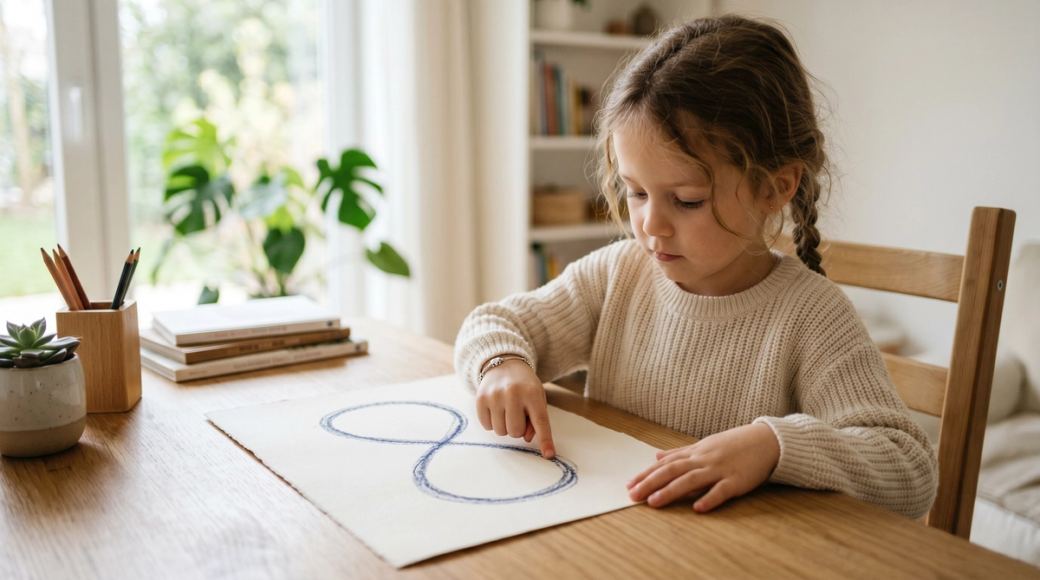
- Lazy 8s. Visual mid-line crossing without the body — calming and focus-loading at once, the rare exercise that does both. How: hold up one finger at arm's length; trace a horizontal figure-eight in the air, slowly, six full traces. Eyes follow the finger the whole time. You'll see: slower breathing by the third trace, and a system that's shifted gears.
- Elbow-to-knee marching. A standing cross-crawl with a beat — the same mid-line crossing as cross-crawls, with rhythm doing extra work for kids who need motion to focus. How: march in place; on each step, opposite elbow taps opposite knee. Twenty steps. You'll see: a smile by step ten — the body smiles before the brain catches up.
- Eye figure-eights. Lazy 8s without the finger — just eyes tracing the figure in the air. The smallest move on this list, one of the most useful after long screen time, when the eye muscles are stuck in a fixed-distance lock. How: eight slow traces. You'll see: a noticeable settle, especially in the twenty minutes after an iPad closes.
These cross-body moves are the heart of movement breaks — the body-first approach that resets attention fastest.
Energy release (when your child is bouncing off the walls)
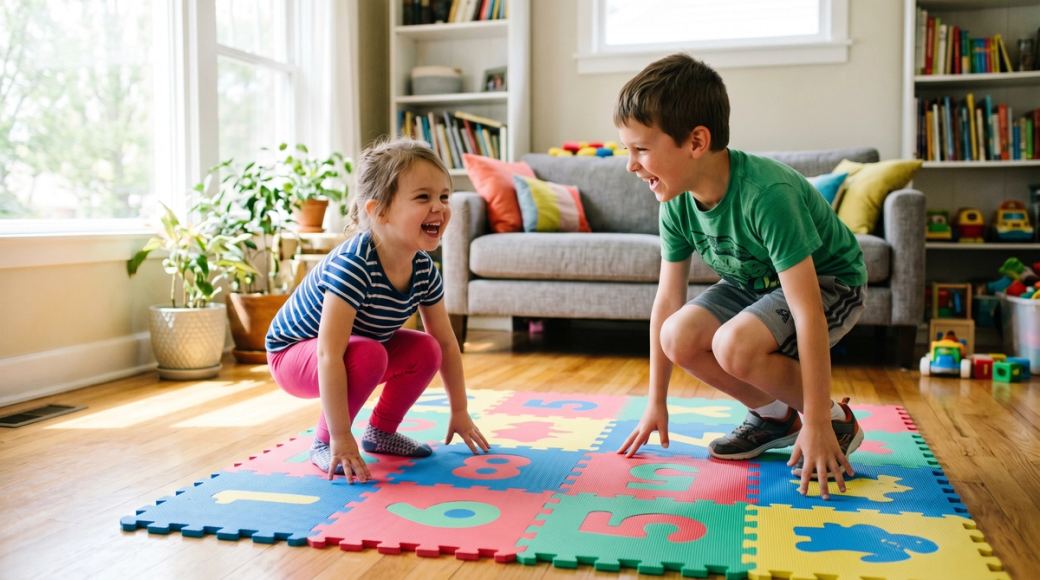
Big-motor moves and finger coordination exercises for kids that give the nervous system the input it's looking for. Best after long sitting, before transitions that require focus, or when the body needs to expend some energy before it can settle.
- Finger drills. Finger coordination exercises for kids that pack heavy bilateral processing into a small motion. How: thumb touches each fingertip in turn: index, middle, ring, pinky — both hands at once. Three cycles, then alternate hands. You'll see: deep concentration in a thirty-second window.
- Animal walks. Bear crawl, crab walk, frog hops — proprioceptive input that gives the sensory cues a busy nervous system often wants. How: one walk across the room and back per animal; three animals. You'll see: a child who couldn't sit still settle for ten minutes afterwards.
- Wall pushes. Push the wall like you're trying to move the house. How: feet shoulder-width, hands at chest height against the wall, push hard for ten seconds. Three rounds with breaks. You'll see: lighter shoulders and a steadier voice on the next sentence.
- Spinny circles. Slow controlled spins, three to each side. How: stand tall, arms out, spin slowly; pause; spin the other way. You'll see: a child who can sit still for the next activity — vestibular input often does what nothing else will.
Turn these into brain break games and kids stop noticing they're "exercises."

Calm-down (when the nervous system is dysregulated)
Breath, balance, and slow input. These are the ones to reach for mid-meltdown — or, better, just before. Pair with co-regulation: your calm regulates theirs.
- Belly breathing in pairs. Child's hand on your belly, yours on theirs; six slow cycles together. Co-regulation — the child's nervous system synchronises with yours. You'll see: shoulders drop on both of you.
- Balance on one foot with a story. Balance recruits the cerebellum; talking adds cognitive load. How: one-foot stand; the child tells you about their day; switch feet after thirty seconds. You'll see: the story slowing at first, then steadying.
- The four-corner breath. Trace a square in the air: four counts in, hold four, out four, hold four. How: three full squares. You'll see: visible shoulder drop by square two.
- Slow turtle stretch. Curl small on the floor like a turtle in its shell; slowly extend. How: ten seconds curled, ten seconds extended; three rounds. You'll see: the body unwinding before the words come back.
For a full set of quiet resets, including rainbow breathing, see calming brain breaks.

Want it personalized?
Build a five-minute brain-break routine
You don't need to do them all. Most days, one short practice is enough — the trick is picking the moment that already fits your day. Before homework, after screens, and before bed are all natural windows to try. Anchor the brain break to the moment that's easiest to remember in your family, and let that one anchor do the work.
A recent narrative review in Brain Sciences concluded that physical activity is a significant factor in the development of executive and brain functions in childhood — brief, daily reps shape attention more than long, infrequent sessions.
That's what our Brain Activation Plan for Kids does: it takes the two things that matter most — your child's age and the pattern you most want to shift — and builds the daily sequence for you. Five to ten minutes a day, done together, no equipment, with play displacing screen time instead of fighting it.
Match the move to the moment
The trick with brain breaks for kids isn't doing a lot of them — it's matching what you do to what the brain is asking for. A checked-out kid needs cross-body reset, not a star jump. A child mid-meltdown needs breath and balance, not finger drills.
Once the matching becomes second nature, brain break activities stop feeling like a routine and start feeling like a reflex.
Pick one move that fits today. Do it tomorrow too. Add a second when the first feels habitual.
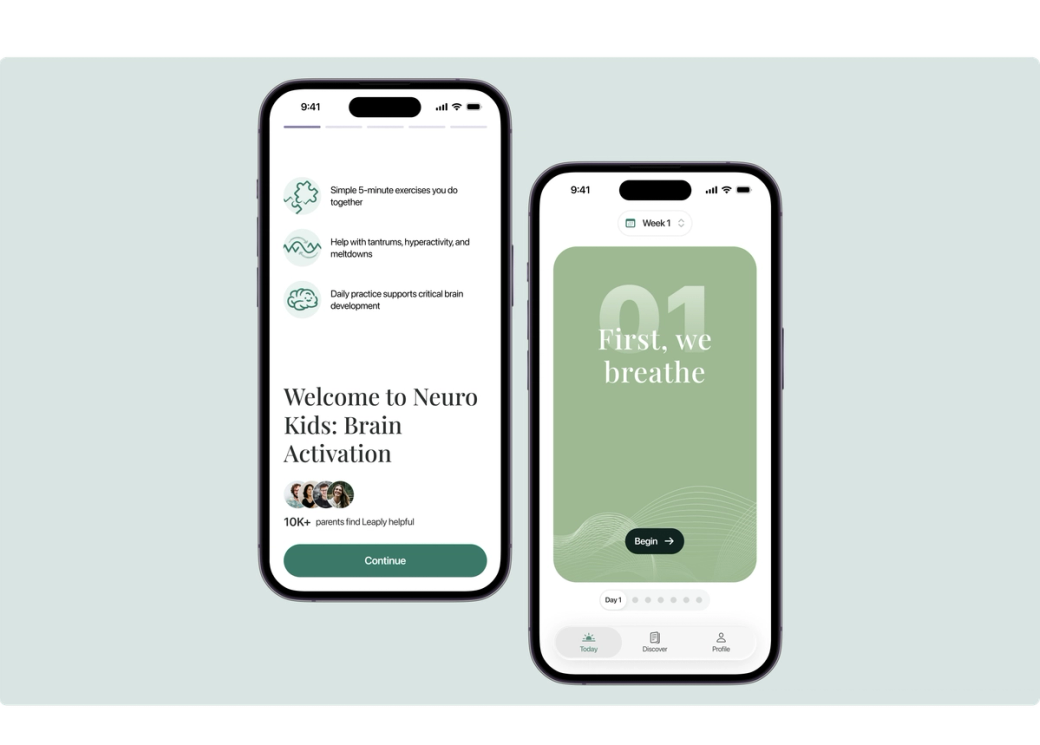
Want it sequenced for your child?
Keep it sustainable, not perfect
Family life is busy, and the goal isn't to add another item to the day — it's to weave one small move into a moment that already happens: right after breakfast, in the car on the way home, in the kitchen before dinner.
Older kids especially will lose interest fast if the same activity starts to feel like a rule. Rotate moves, let them pick which one to do, and skip days without guilt. Your child gains more from four willing brain exercises a week than from a routine that quietly disappears after two.
When brain breaks aren't enough
A daily practice supports development; it doesn't replace specialist care. If you're seeing persistent severe withdrawal, self-harm, repeated aggression that doesn't ease with co-regulation, or a sudden shift in behaviour after a stressful event, that's a different conversation — your paediatrician or a child psychologist is the right next step.
This isn't a question of whether something is "wrong." It's a question of which support fits.
Start with one move today
Attention isn't a fixed trait your child either has or doesn't — it's a daily effort. You don't build it with one big attempt; you build it with the small, right move at the right moment, most days.
Watch for the next transition, the post-screen slump, or the wind-up before a meltdown, and reach for one break that fits. That's the whole practice.
And if you'd rather not guess which exercise to use, get the daily plan built around your child.
Frequently asked questions
What are brain breaks for kids?
What is a fun brain break?
How often should kids take brain breaks?
Are brain breaks for kids the same as movement breaks?
Related articles
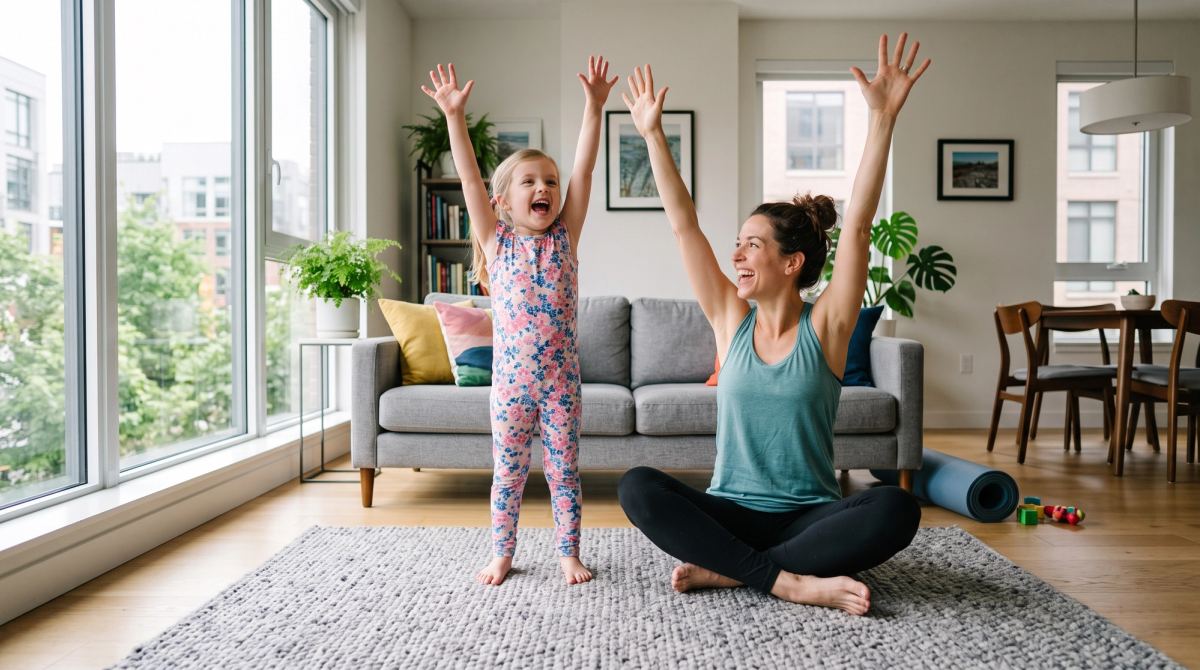
Movement Breaks: Get Kids Moving to Reset Focus
Movement breaks reset a child's focus by working the body first. Here's the science, when to use them, and movement break ideas for class or home.

Easy Brain Breaks for the Classroom
Brain breaks for the classroom: an evidence-informed teacher's guide to quick movement resets that refocus a class — by grade, energy level, and transition.
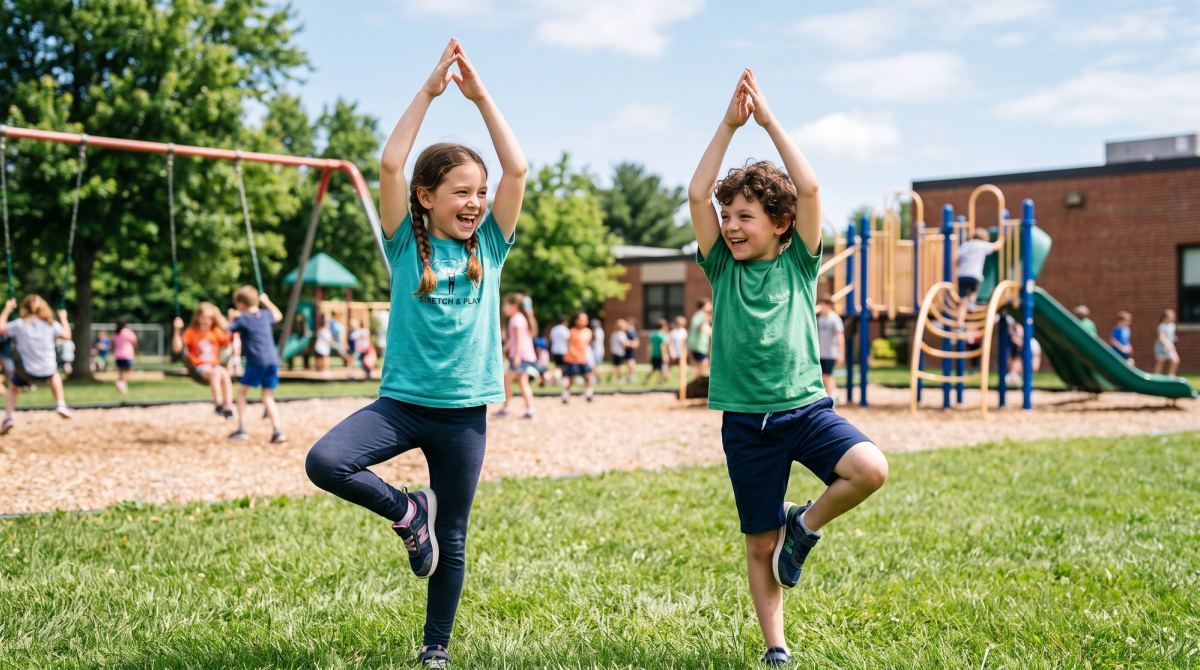
Brain Breaks for Students: Elementary & Middle School
Brain breaks for elementary and middle school students — age-appropriate movement resets that refocus a class or a tween at home, without the kiddie feel.
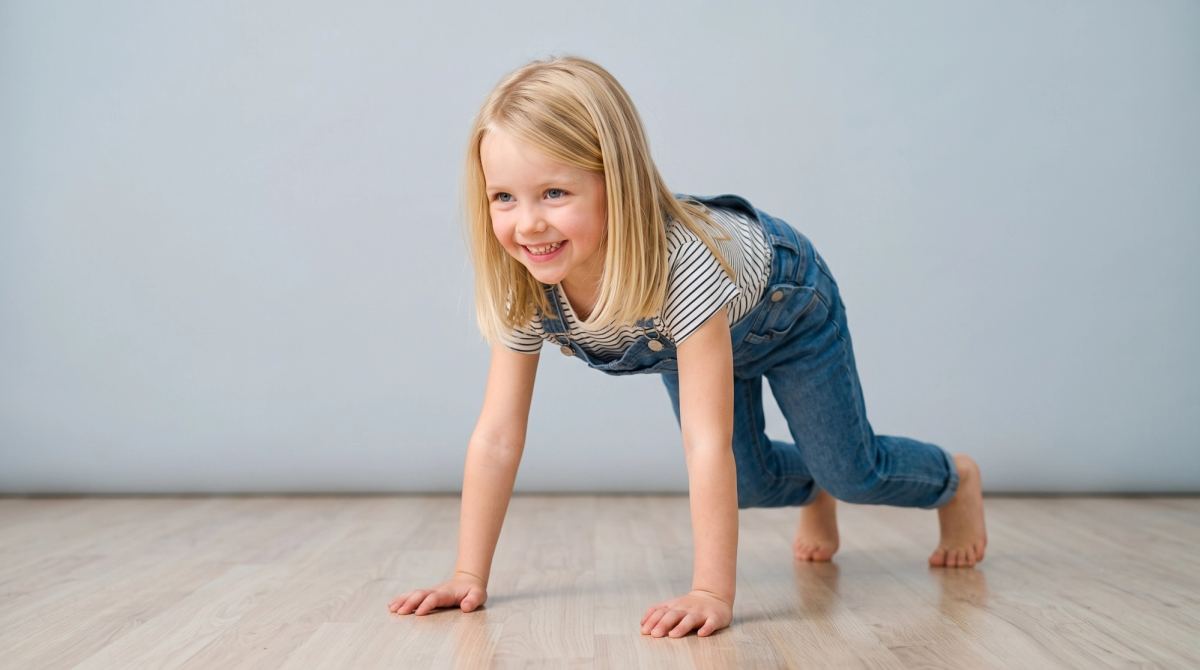
Brain Breaks for Kindergarten and Preschool (Ages 3–6)
Brain breaks for kindergarten and preschool: short, playful movement pauses for ages 3–6 that reset wiggly focus at circle time or at home.