
My Experience Working With The Vagus Nerve Through Yoga
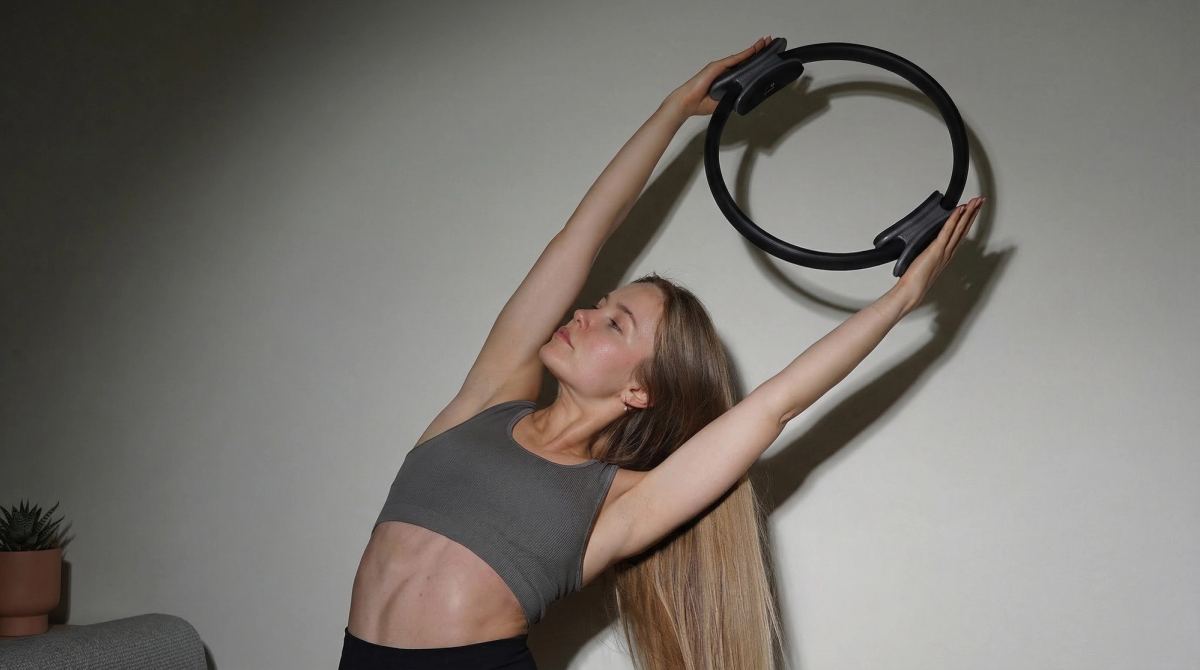

For years, I lived with a subtle but constant hum of anxiety. It felt like a low-grade alarm bell was always ringing in the background of my life. I tried talking through my stress and my feelings, but nothing seemed to quiet the physical tension in my chest or the shallowness of my breath. It wasn’t until I discovered the practice of yoga for vagus nerve health that I finally understood what was happening: my nervous system was stuck in overdrive, and I needed to speak to my body in a language it could actually understand.
I first learned about the vagus nerve during my yoga teacher training in 2024. In Ukrainian, the vagus nerve is literally translated to the “wandering nerve”, and that word, wandering, immediately resonated with my soul. It felt like the absolute perfect metaphor for our inner journeys.
This remarkable, thick bundle of cranial nerves travels all the way from the brainstem, cascading down through the neck, wrapping around the heart and lungs, and weaving its way deep into our gut. It is the biological superhighway linking our brain with our vital organs, and ultimately, with our deepest emotions. Realizing that there was a physical structure responsible for my feelings of safety and connection changed everything. I began to see yoga and the vagus nerve not just as a physical practice, but as a map for coming back home to myself.
From Yoga for Vagus Nerve to Beginning of Inner Journey
When we experience chronic stress, burnout, or emotional trauma, our vagus nerve can lose its natural tone. Vagal tone is our nervous system's ability to bounce back from stress. When it is low, we might find ourselves trapped in the “fight or flight” response of the sympathetic nervous system, or worse, dipping into the “freeze” or “shutdown” state.
I couldn't truly relax. Even when I was resting on the couch, my mind was racing, and my digestion was chronically upset.
Using yoga for the vagus nerve became the true beginning of my inner healing journey. I realized that my body was simply trying to protect me, but it had forgotten how to turn the alarm off. I needed a way to signal to my brain that I was safe.
Yoga steps into this space beautifully. It is not about twisting yourself into complicated, picture-perfect shapes. True vagus nerve yoga is profoundly internal. It is the practice of interoception — the ability to feel and understand the sensations happening inside your body. By intentionally slowing down, feeling the solid ground beneath my feet, and paying attention to the subtle shifts in my muscles, I began to tone my vagus nerve. I was slowly teaching my body that it was safe to let its guard down.
Yoga Exercises for Vagus Nerve I’ve Found Effective
When we talk about vagus nerve yoga poses, we are generally looking for movements that stimulate the parasympathetic nervous system (our rest and digest state). Because the vagus nerve passes through the neck, chest, and abdomen, poses that gently open, massage, or compress these areas are incredibly regulating.
Here are the gentle practices of yoga and vagus nerve stimulation that have become my daily medicine:
Supported Child’s Pose (Balasana)
This is my ultimate posture for safety. By kneeling on the floor and folding my torso over a supportive bolster or a stack of thick pillows, my nervous system receives an immediate signal of grounding.
- Why it works: The gentle pressure on the abdomen gently massages the gut, where a massive portion of vagus nerve endings reside. Resting the forehead on the ground (or a prop) also soothes the nervous system.
- The feeling: I visualize the back of my heart melting open. It is signaling to the body that there are no threats to fight or run from.
Cat-Cow Stretches (Marjaryasana-Bitilasana)
Moving on hands and knees, alternating between arching the back (cow) and rounding the spine (cat), is a must-have in almost every yoga class.
- Why it works: The movement of the spine gently stretches and releases the front of the neck and the belly — the exact pathway of our vagus nerve.
- The feeling: I link the movement intimately with my breath, inhaling to open the chest and exhaling to draw the navel in. This rhythm acts as a gentle massage for the entire nervous system.
Legs Up The Wall (Viparita Karani)
If you only have five minutes a day to dedicate to vagus nerve and yoga, make it this pose. Lying on your back with your hips close to a wall and your legs extending straight up is profoundly restorative.
- Why it works: Inversions shift our blood pressure. Baroreceptors in the neck detect this shift and signal the brain to slow the heart rate down.
- The feeling: It feels like draining the weight of the day out of my body. The longer I stay, the heavier and more relaxed my bones feel against the earth.
Gentle Neck and Jaw Releases
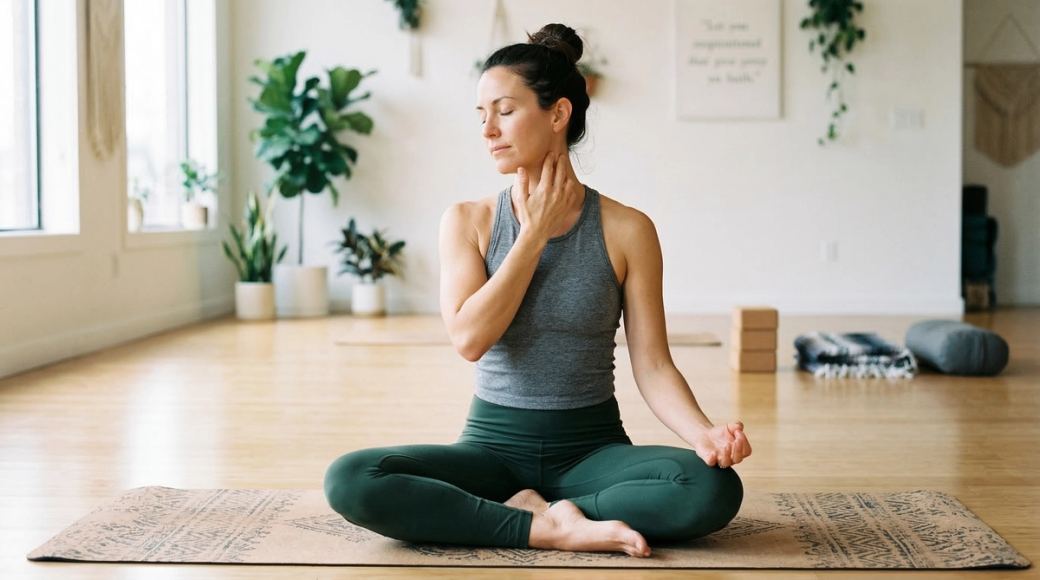
Because the vagus nerve exits the skull just behind the ears and travels down the sides of the neck, holding tension in the jaw and neck can directly inhibit vagal tone.
- Why it works: Simple, slow neck rolls, or gently dropping one ear to the shoulder while breathing deeply, release the physical tightness that often traps us in stress.
- The feeling: I often find myself sighing or yawning during these stretches. Yawning is actually a brilliant sign of yoga vagus nerve stimulation. It means the parasympathetic nervous system is coming back online!

Breathing – Bridge Between Body And Mind
While movement is vital, the most direct access point we have to our autonomic nervous system is the breath. You can think of breathing as the bridge that connects the physical body to the emotional mind. When we are anxious, our breathing becomes rapid, shallow, and concentrated in the upper chest. This signals danger to the brain.
In my own yoga practice, I discovered that every deep exhale and every soft “om” is not just a spiritual ritual; it is a direct form of yoga vagus nerve stimulation.
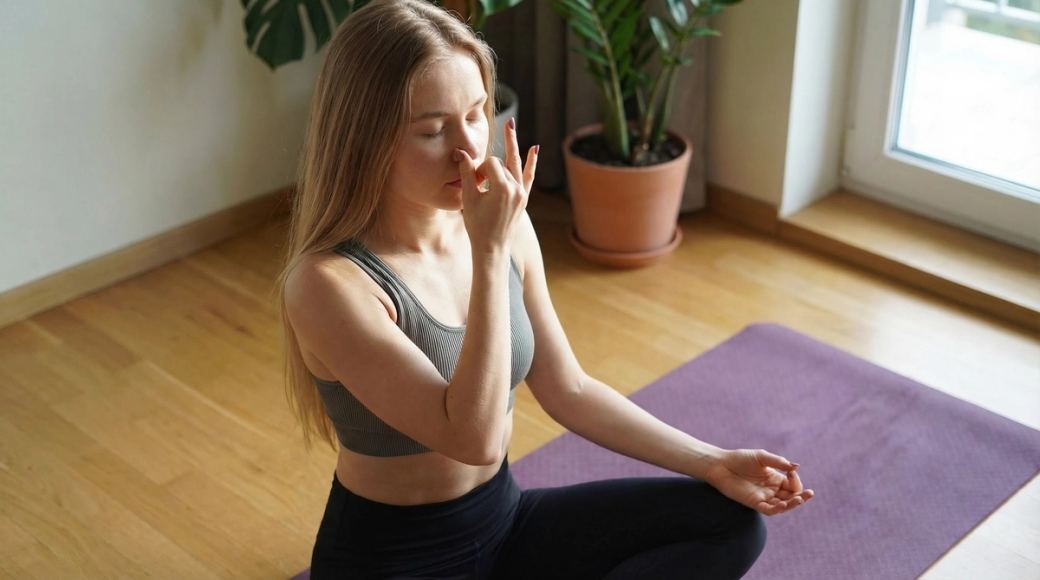
At the start of every session, I dedicate a few minutes just to ground myself and reconnect with my body. I place one hand on my chest and the other on my belly, practicing slow, deliberate nasal breathing. I simply observe the flow of air, tuning into the subtle sensations happening within.
Almost like magic, after just a few minutes, my heartbeat slows down, the heavy tension in my chest begins to melt away, and the muscles in my face visibly soften. It is a powerful, daily reminder that our bodies intrinsically know how to heal and regulate themselves — we just have to give them the chance.

Feel calmer, sleep deeper.
How I Combine Yoga and Vagus Nerve Plan From Leaply
Finding tools that work is only the first half of the journey. The second, and often harder half, is consistency. Our nervous systems learn through repetition. Doing one long, intense yoga class a week is far less effective for vagal tone than doing five minutes of mindful, somatic check-ins every single day.
That is why the Leaply methodology resonates with me so deeply. It takes the expansive, sometimes unclear concepts of neurobiology and somatic healing, and distills them into bite-sized, accessible daily actions.
Here is how I currently combine my physical yoga and vagus nerve practice with the guidance of the Leaply Vagus Nerve Plan to maintain emotional regulation:
- Morning Somatic Check-In: Before I even look at my emails, I open the Leaply app for a quick morning check-in to gauge my nervous system state.
- Targeted Yoga Responses: Depending on whether I feel sluggish (dorsal vagal) or anxious (sympathetic), I will choose 5 minutes of specific vagus nerve yoga poses, like gentle chest openers for sluggishness, or grounding Child’s Pose for anxiety.
- Tracking Triggers: The Leaply plan helps me log my emotional triggers and bodily sensations throughout the week. This data is invaluable to understanding my nervous system patterns.
- Proactive Nervous System Support: Because I track my triggers, it helps me realize when my vagus nerve needs extra support, allowing me to step away from my desk for just two minutes to do some mindful neck stretches or sighs before a stressful meeting.
- Evening Wind-Down: My evening routine marries the two beautifully. I use Leaply's reflection prompts to mentally offload the day's stress, followed by 10 minutes of deeply restorative yoga. This signals to my brain that the work day is over, and it is safe to sleep.
With the physical wisdom of the yoga mat and the psychological structure of Leaply, I’ve found a sustainable, gentle way to care for myself. I no longer feel like a victim of my anxiety. Instead, I have a toolkit. I have a map. And most importantly, I have a deep, trusting relationship with my body.
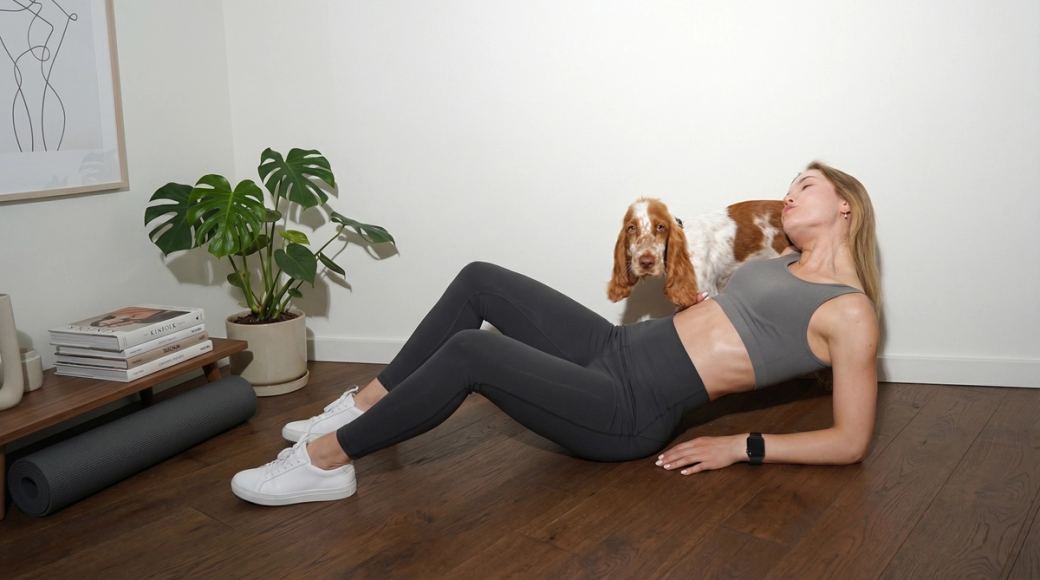
Infinite Inspiration From Dr. Schwartz on Yoga Vagus Nerve Stimulation
As my practice deepened, I began seeking out resources that bridged the gap between ancient yogic wisdom and modern neurobiology. This led me to the pioneering work of Dr. Arielle Schwartz, a clinical psychologist and certified yoga instructor who specializes in trauma recovery.
Studying Dr Arielle Schwartz vagus nerve yoga approaches fundamentally shifted how I practice. Dr. Schwartz explains how trauma and chronic stress get stuck in the body, and how mindful, somatic movement can help us safely release that stored energy.
One of the most profound concepts I learned from her is the idea of the “window of tolerance” — the optimal zone of arousal where we feel calm, centered, and capable of handling life's challenges. When we are dysregulated, we fall outside this window. Dr. Schwartz teaches that we can use yoga not to force ourselves to relax, but to gently expand that window.
She emphasizes a technique called pendulation. In practice, this means intentionally shifting your awareness between an area of your body that feels tense or uncomfortable and an area that feels safe, grounded, or neutral. By toggling back and forth, you teach your nervous system that it is possible to experience discomfort without being entirely consumed by it.
Her compassionate, trauma-informed approach to yoga for the vagus nerve relies heavily on giving the practitioner agency. You only move as deeply as feels safe. You only stay as long as it feels right.
The nervous system cannot be bullied into relaxing. You cannot “life-hack” your way out of trauma or deep-seated anxiety through sheer force. Both Dr. Schwartz’s teachings and Leaply's core methodology share a fundamental truth: healing happens in the micro-moments of safety. It happens through gentle, repetitive, and deeply compassionate interactions with our own biology.

Final Thoughts
Healing isn't a destination; it is a continuous conversation with your body. My journey with yoga vagus nerve practices hasn't eliminated stress from my life entirely, but it has completely changed how I respond to it.
When the familiar hum of anxiety returns, I no longer panic. I know how to use my breath, gentle movement, and somatic awareness to guide myself back to a state of safety.
Related articles

Movement Breaks: Get Kids Moving to Reset Focus
Movement breaks reset a child's focus by working the body first. Here's the science, when to use them, and movement break ideas for class or home.

Easy Brain Breaks for the Classroom
Brain breaks for the classroom: an evidence-informed teacher's guide to quick movement resets that refocus a class — by grade, energy level, and transition.
Brain Breaks for Students: Elementary & Middle School
Brain breaks for elementary and middle school students — age-appropriate movement resets that refocus a class or a tween at home, without the kiddie feel.

Brain Breaks for Kindergarten and Preschool (Ages 3–6)
Brain breaks for kindergarten and preschool: short, playful movement pauses for ages 3–6 that reset wiggly focus at circle time or at home.