
Understanding Vagus Nerve Compression Symptoms and How to Relieve Them


When your body feels constantly on edge, it is easy to assume you are simply stressed or overwhelmed by daily life. You might try thinking more positively, drinking less caffeine, or getting an extra hour of sleep, yet that heavy, tight sensation in your chest and gut remains.
The reality is that chronic exhaustion and tension are often a biological response, not a mindset issue. One common, yet frequently overlooked, structural culprit is vagus nerve compression.
The vagus nerve is the primary biological superhighway connecting your brain to your major organs, regulating everything from your heart rate to your digestion. When physical tension or poor postural habits put pressure on this vital pathway, the resulting vagus nerve compression symptoms can disrupt your entire system. You may feel wired, tired, or stuck in alertness even when you are trying to rest.
Rather than passively living with this discomfort, you can learn science-backed, actionable practices needed to stabilize your nervous system.
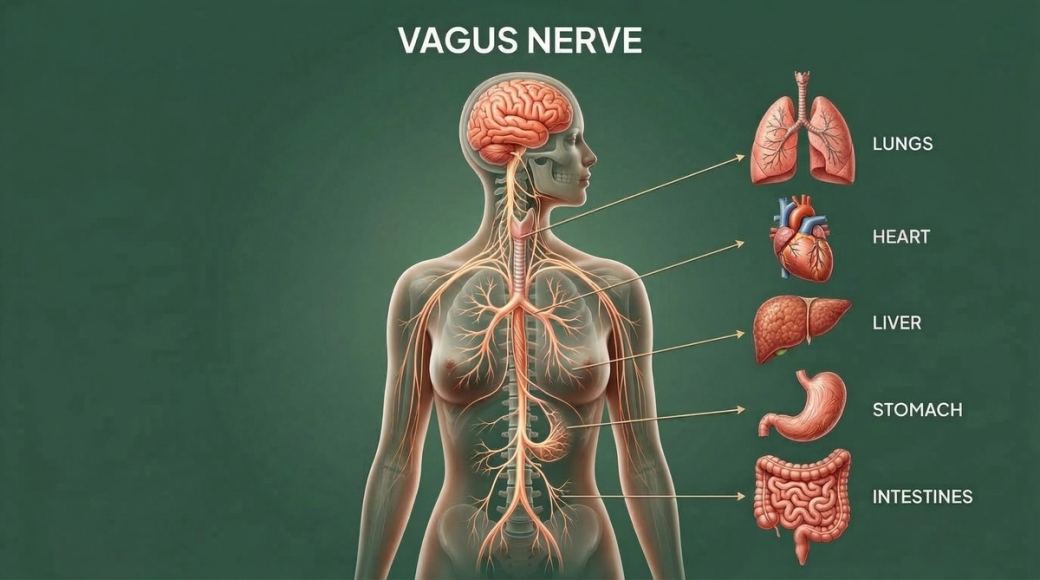
What Is Vagus Nerve Compression?
To understand vagus nerve compression, we have to look at the physical structure of your body. The vagus nerve, also known as the tenth cranial nerve, is the longest and most complex of the cranial nerves. It exits the brainstem, travels down through the complex musculature of your neck, passes into your chest, and branches out through your abdomen. Because it weaves through so many narrow muscular and fascial pathways, it is highly susceptible to physical pressure.
Vagus nerve compression occurs when surrounding tissues, such as tight muscles, rigid fascia, or misaligned cervical vertebrae, physically impinge upon the nerve. This is not an esoteric concept. It is a mechanical roadblock. Chronic stress creates active physiological tension, causing you to subconsciously clench your jaw, elevate your shoulders, and tighten your chest. Over time, this sustained tension restricts the physical space the vagus nerve needs to function.
Think of a nerve like a garden hose carrying water. When something presses down on that hose, the flow slows down to a trickle. In your body, tight muscles act like a heavy foot stepping on your nerves. This pressure stops important signals from flowing freely between your brain and organs, creating an internal traffic jam.
When the nerve is compressed, its ability to transmit signals efficiently between the brain and the body is compromised. This disrupts your autonomic nervous system, pulling you out of the restorative rest and digest state and leaving your body in a fight-or-flight response.
Understanding this mechanism is empowering because it shifts the focus from elusive emotional healing to actionable biological optimization. You are not broken. Your internal mechanics simply need space, movement, and targeted regulation to restore their natural systemic flow.
Recognizing the Symptoms of Vagus Nerve Compression
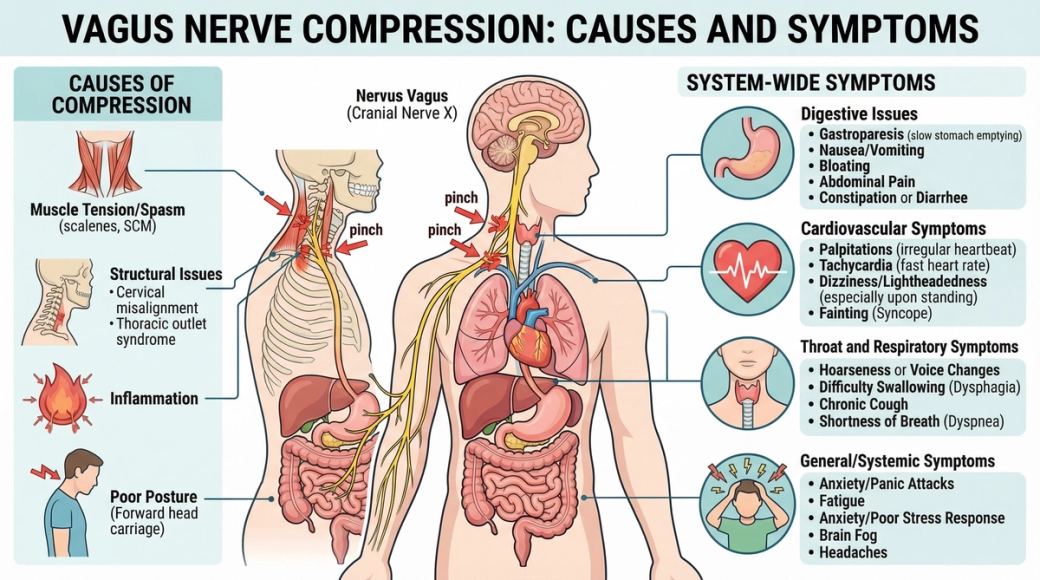
Because the vagus nerve acts as the master controller for your parasympathetic nervous system, the signs of its impairment can show up in surprisingly diverse ways. Symptoms of vagus nerve compression rarely present as just one localized pain. Instead, they often manifest as a cluster of systemic disruptions that affect how you digest, breathe, and regulate your energy.
When the nerve's signaling is impaired, your body forgets how to shift out of survival mode. You may experience vague, migrating discomfort that standard medical tests fail to pinpoint.
It is important to distinguish between mild compression and severe clinical conditions, but understanding the common vagus nerve symptoms can help you take proactive, actionable steps to support your body's structural resilience.
Digestive Disruptions and Nausea
Your gut and brain are in constant communication, primarily via the vagus nerve. When this nerve is compressed, the signals telling your stomach to process food and move it along the digestive tract become sluggish. This can lead to gastrointestinal issues, including unexpected nausea, a feeling of heavy fullness after eating very little, and persistent bloating.
The gut-brain axis relies on clear biological signaling. Without it, your digestive system loses its rhythm. Addressing these vagus nerve compression symptoms requires more than just dietary changes — it requires restoring the mechanical freedom of the nerve so your body can naturally manage digestion and nutrient absorption.
Heart Rate Fluctuations and Dizziness
The vagus nerve plays a critical role in acting as the brakes for your heart rate. If you are experiencing vagus nerve compression, this braking system can become erratic. You might notice your heart fluttering or racing suddenly, even when you do not do any physical activity.
Additionally, this compression can interfere with blood pressure regulation, leading to dizziness when you stand up quickly. These cardiovascular fluctuations are often a direct physiological response to a mechanically restricted nerve.
However, you can try targeted somatic practices that physically decompress the chest and restore a steady, regulated autonomic response.
Throat Tension and Vocal Changes
Because the vagus nerve dictates the motor functions of your larynx (voice box) and throat, physical tension in the cervical spine can have immediate local effects. Pinched vagus nerve in neck symptoms often include a persistent feeling of a "lump" in the throat, difficulty swallowing, or a sudden, unexplained hoarseness in your voice. You might find yourself clearing your throat repeatedly.
When the neck muscles hold chronic stress, often because of staring at screens for hours, they can physically squeeze the vagus nerve pathways. Relieving this requires specific, expert-led fascial release techniques to open the cervical pathways and allow the nerve to function without mechanical interference.
What Causes Vagus Nerve Compression?
Understanding what causes vagus nerve compression requires looking at the mismatch between how our bodies were built to move and how we actually live today.
The modern lifestyle places immense structural and chemical demands on our biology. We are built for dynamic movement, deep breathing, and alternating between stress and recovery. Instead, we spend hours folded over laptops, breathing shallowly, and absorbing endless mental overload. Unfortunately, this environment fundamentally changes our posture, our fascial elasticity, and our baseline nervous system state.
When searching for the root cause, it is vital to differentiate between severe vagus nerve damage symptoms, which result from physical trauma, surgery, or underlying disease and require medical intervention, and functional vagus nerve compression, which is largely driven by daily biomechanical and stress-related habits.
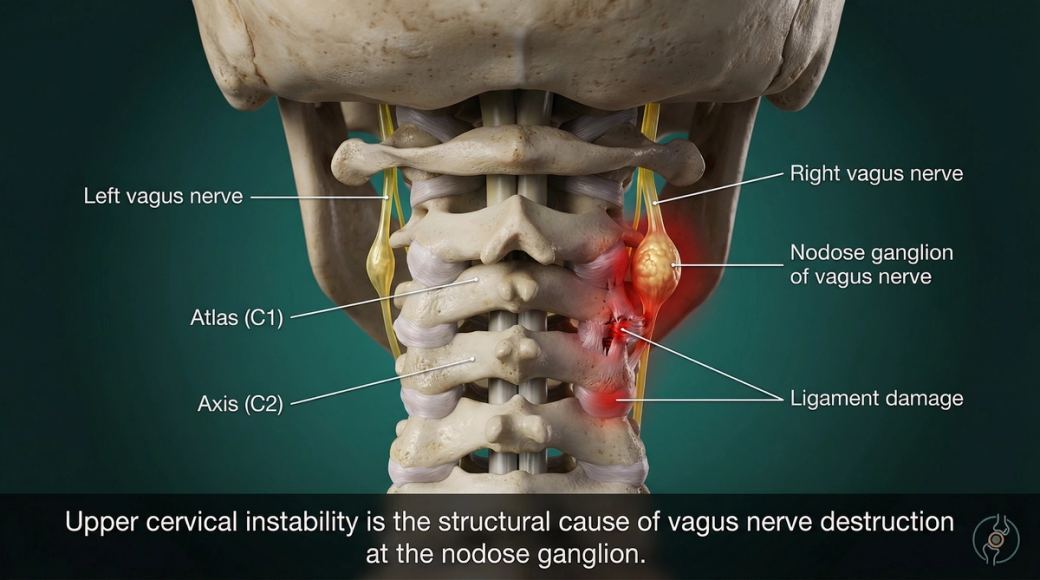
The primary physiological drivers that contribute to this compression:
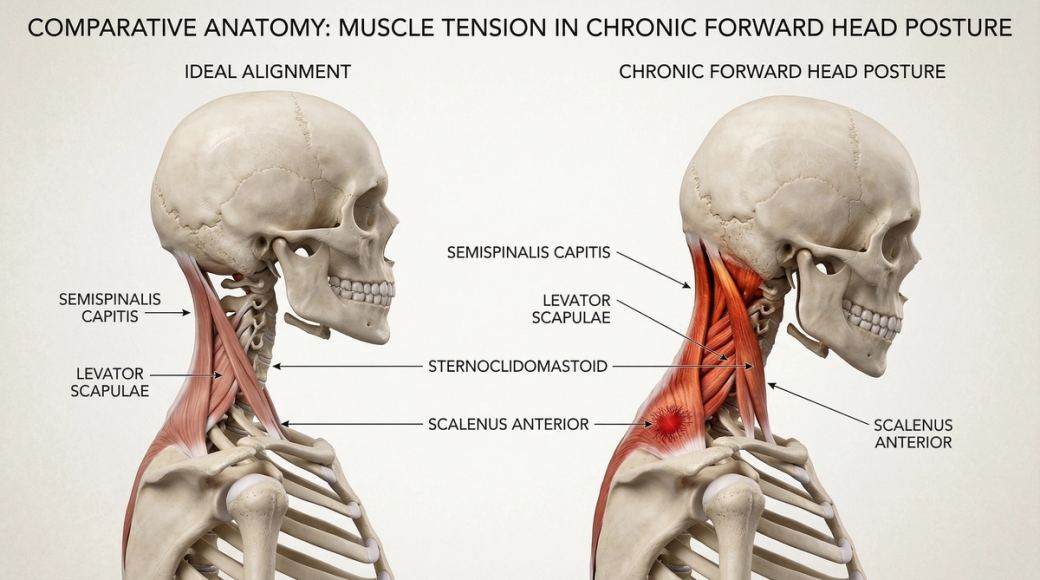
- Chronic postural misalignment (tech neck): We have normalized sitting still for hours with our heads pushed forward and our shoulders rounded. This “tech neck” posture puts an unnatural mechanical load on the cervical spine. The muscles in the front of the neck become chronically shortened and tight, while the back of the neck becomes overstretched. Because the vagus nerve runs directly through this narrow cervical corridor, this structural collapse physically narrows its pathway, leading to a constant, low-grade impingement that disrupts brain-body signaling.
- Fascial restriction from prolonged stress: Fascia is the connective tissue that encases your muscles, nerves, and organs. When you face ongoing stress, your body naturally tenses up to protect you. Over time, this bracing causes the fascia to lose its fluid elasticity, becoming rigid and glued down. “Stuck” fascia wraps tightly around the vagus nerve, restricting its mobility. And it requires active, targeted mechanical release to restore movement dynamics.
- Shallow, chest-based breathing patterns: The diaphragm is the primary muscle of respiration, and the vagus nerve passes right through it. When we are stressed, our breathing moves up into the chest and becomes shallow. This paralyzes the diaphragm’s natural pumping action. Without the deep, rhythmic movement of the belly and ribs, the vagus nerve loses the gentle, internal massage it relies on for stimulation and mobility. This shallow breathing makes your upper body stiff, which adds pressure inside and makes your whole system feel sluggish.
- Localized muscular inflammation and tension: When you hold tension in your jaw, neck, and shoulders (often a subconscious reaction to high-pressure work environments or digital overwhelm), you create localized areas of inflammation. The muscles enlarge slightly from constant clenching, reducing the anatomical space for the surrounding nerves and blood vessels. This sustained muscular tension slows down lymphatic clearance and compresses the vagus nerve in the upper torso.
- A dysregulated autonomic loop: The most complex driver. When the vagus nerve is slightly compressed, it cannot send safety signals to the brain. The brain interprets this lack of safety as a threat, triggering the release of cortisol and adrenaline. These stress hormones tighten muscles further, which increases the compression on the nerve. Breaking this self-sustaining loop requires more than passive rest. It requires actionable biohacking routines that reduce physical tension and reset the biological baseline.

Why traditional advice often misses the mark
When you feel constantly on edge, the standard wellness advice is often to “take a bubble bath”, “meditate” or “just relax”. While well-intentioned, these passive suggestions fail to address the underlying physiological reality.
You cannot forcefully relax a body that is structurally locked in stress. If your vagus nerve is physically compressed by rigid fascia and tight musculature, simply sitting still and trying to clear your mind can actually amplify your anxiety. Your body is biologically sending alarm signals, and ignoring them does not make them go away.
True empowerment comes from taking physical action. Active nervous system regulation requires an actionable toolkit. It involves using movement, breath mechanics, and somatic practices to physically decompress the tissues and signal safety to the brain. When addressing the mechanical restrictions first, you create the optimal internal environment for your other health and wellness routines to finally take effect.
This is where an actionable, science-backed approach makes all the difference. Instead of relying on passive relaxation, you need targeted tools that address the structural root of your tension. By integrating a Leaply vagus nerve reset into your daily routine, you get an expert-led plan designed to physically decompress your system.
Leaply translates complex neuroscience into simple, five-minute practices that fit seamlessly into your life. We provide the mechanical strategies, like diaphragmatic breathing and fascial release, while you put in the consistency. Over time, these small, deliberate actions compound, helping you rebuild your baseline resilience, manage daily pressure, and sustain your physical vitality without feeling overwhelmed.


Feel calmer, sleep deeper.
How to Relieve Vagus Nerve Compression Safely
If you are wondering how to fix vagus nerve compression, it is crucial to understand that there is no overnight cure or magic pill. Shifting your biological baseline takes consistency. However, learning how to relieve vagus nerve compression through targeted, daily practices is highly achievable.
The goal is to optimize your movement dynamics and create space within the body. With short, expert-led daily routines, you can gently release fascial restrictions, restore diaphragmatic function, and actively regulate your nervous system.
When you commit to these physical practices, you are training your biology to let go of its defensive bracing. But because fascial stiffness and muscular tension develop over months or even years of chronic stress, undoing that deep physical gridlock requires patient, deliberate repetition.
You do not need hours of strenuous exercise to see a meaningful shift in your baseline. Instead, short, focused bursts of targeted mechanical release scattered throughout your day provide a consistent signal of safety to your brain. This steady approach prevents the autonomic nervous system from slipping back into a high-alert survival state, allowing the vagus nerve the physical room it requires to transmit signals clearly.
Thus, we recommend the following approaches to begin decompressing your systemic flow.

Diaphragmatic breathing for decompression
Your diaphragm is your body's most powerful internal pump. When you engage in deep, belly-focused breathing, the diaphragm moves downward, physically pulling on the connective tissues that surround the vagus nerve. This action provides a gentle, mechanical massage that stimulates the nerve and helps free it from surrounding fascial stiffness.
To practice this, place a hand on your stomach and focus on expanding your lower ribs and belly with each inhale, keeping your shoulders completely still. This active breathing protocol interrupts the shallow chest-breathing cycle, lowering systemic pressure and signaling safety to your autonomic nervous system.
Targeted fascial release for the neck
Because the vagus nerve travels through the tight corridors of the neck, releasing the cervical fascia is a non-negotiable part of physical optimization. You can use gentle, tactile interventions to soften this area. Using your fingertips, apply very light, dragging pressure along the sides of your neck, specifically behind the earlobe and down toward the collarbone.
The goal is not to aggressively massage the muscle, but to create a shearing effect that unglues the stiff fascial layers. Releasing this physical dam helps the nerve to glide smoothly without mechanical friction, reducing that heavy, tight feeling in your head and throat.
Postural optimization and alignment
You cannot achieve systemic flow if your structural alignment is constantly collapsed. Correcting tech neck and rounded shoulders relieves the physical impingement on the vagus nerve.
This does not mean rigidly forcing your shoulders back; rather, it involves actionable practices to open the chest and lengthen the spine. Simple daily interventions, such as doorway chest stretches, shoulder rolls, and seated spinal twists, help to deal with the forward-flexion of modern life.
When you open the physical pathways of the upper body, you optimize your biological response to stress. This allows the nervous system to function without physical obstruction.
Somatic reset and rhythmic movement
When the nervous system is locked, your body holds a massive amount of kinetic energy as tension. Somatic practices like gentle bouncing, shaking, or resonant humming use rhythm and vibration to break up this muscular rigidity.
Humming, in particular, vibrates the vocal cords and the surrounding tissues in the throat and chest. What's the result? This directly stimulates the vagus nerve while loosening local tension. Gentle, full-body shaking helps to release the fascial grip that chronic stress creates.
These active protocols serve as a pragmatic strategy to shake off the physical stagnation of the day, restoring your capacity to handle pressure.

Building lasting resilience for your nervous system
Optimizing your nervous system doesn't mean achieving an elusive permanent inner peace. It is about building a more adaptable, resilient physical baseline.
Your body will always encounter stress — that is a biological reality. The objective is to equip yourself with the tools to process that stress efficiently so it does not lead to chronic physical tension and vagus nerve compression.
With actionable, science-backed practices in your life, you stop passively enduring discomfort and start taking control of your biology. Consistency compounds. A five-minute breathing practice or fascial release might feel like a minor adjustment today, but over weeks and months, these daily habits rebuild your structural resilience. You are laying the foundation for sustained energy, clearer focus, and long-term physical vitality.
Related articles

Movement Breaks: Get Kids Moving to Reset Focus
Movement breaks reset a child's focus by working the body first. Here's the science, when to use them, and movement break ideas for class or home.

Easy Brain Breaks for the Classroom
Brain breaks for the classroom: an evidence-informed teacher's guide to quick movement resets that refocus a class — by grade, energy level, and transition.

Brain Breaks for Students: Elementary & Middle School
Brain breaks for elementary and middle school students — age-appropriate movement resets that refocus a class or a tween at home, without the kiddie feel.

Brain Breaks for Kindergarten and Preschool (Ages 3–6)
Brain breaks for kindergarten and preschool: short, playful movement pauses for ages 3–6 that reset wiggly focus at circle time or at home.