
7 Science-Backed Ways to Reset Your Vagus Nerve to Calm Anxiety
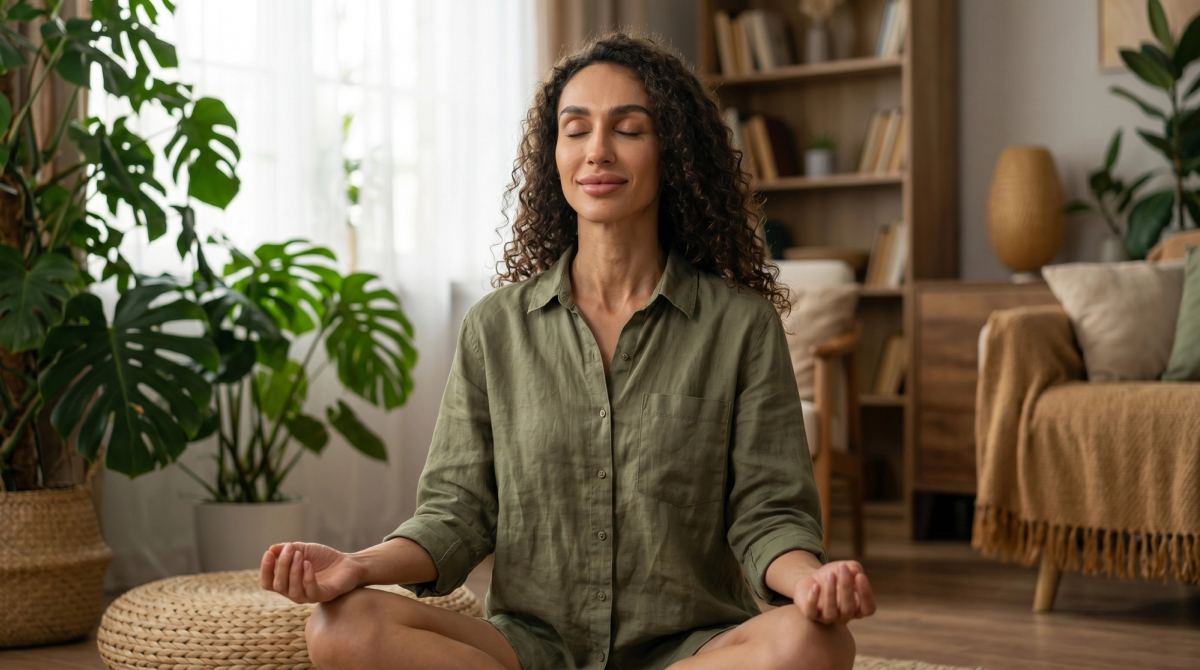

Do you ever feel like you're constantly on edge? Maybe you're dealing with daily stress, a sluggish gut, or tight muscles that just won't relax. If any of this sounds familiar, you aren't alone.
When you constantly live under high levels of stress, it is not just a mindset issue — it is a physical roadblock inside your body. The secret to finding balance and managing these symptoms might not lie in simply thinking positively, but in optimizing the longest cranial nerve in your body: the vagus nerve.
When this nerve is underactive, the autonomic nervous system struggles to hit the brakes on stress. A healthy vagal tone is an essential foundation for mental and physical vitality. The good news is that you can actively support heart rate variability (HRV) and stimulate this powerful pathway using simple vagus nerve reset exercises.
Let's look into the biomechanics of your body, exploring how to perform your own vagus nerve resetting routine and harness the calming power of the parasympathetic nervous system (PNS).
Understanding the biology: the vagus nerve and anxiety
The vagus nerve is the critical communication superhighway between your brain and major organs, including the heart, lungs, and gut.
When you activate it, you send a biological signal to your entire system to lower the defenses, halting the stress response and supporting natural recovery. Then your body naturally releases acetylcholine, a neurotransmitter that slows your heart rate and physically calms tissues.
If you are wondering, “how can I stimulate my vagus nerve to manage my daily overwhelm?”, the answer lies in physical, actionable habits. Great news — most of these vagus nerve stimulation exercises take only a few minutes to practice but show compounding, effective results over time.
How to stimulate vagus nerve manually
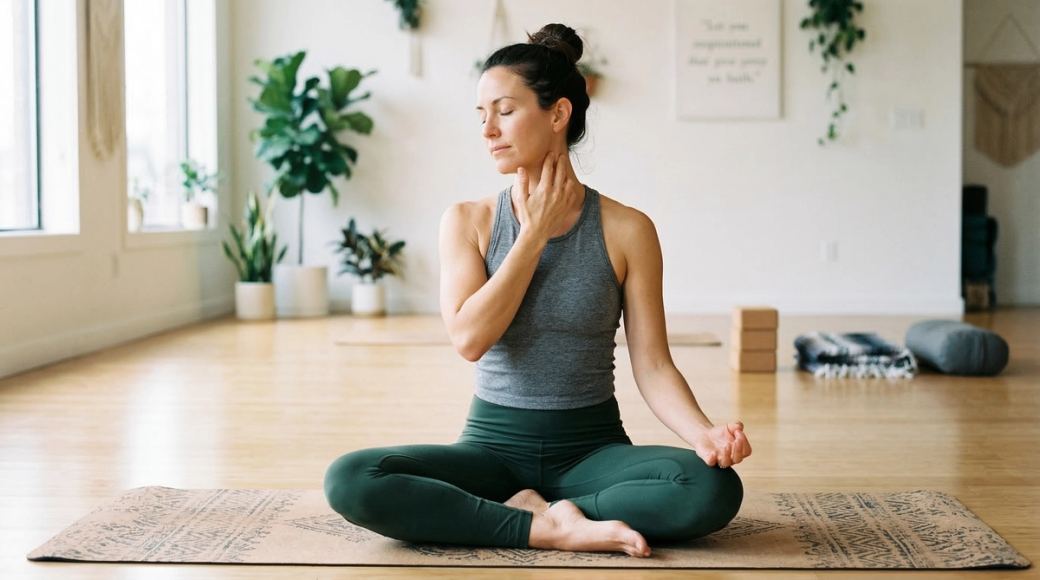
Before we get into the broader lifestyle changes, it is important to understand that you can directly influence your nervous system through touch. If you are looking for how to stimulate vagus nerve manually, targeted somatic contact is one of the most immediate ways to send safety signals to the brain.
The vagus nerve wanders from your brainstem, down through the sides of your neck, and into your chest and abdomen. Because branches of this nerve sit very close to the surface of the skin in specific areas, manual manipulation can act as a physical reset switch when you feel overwhelmed.
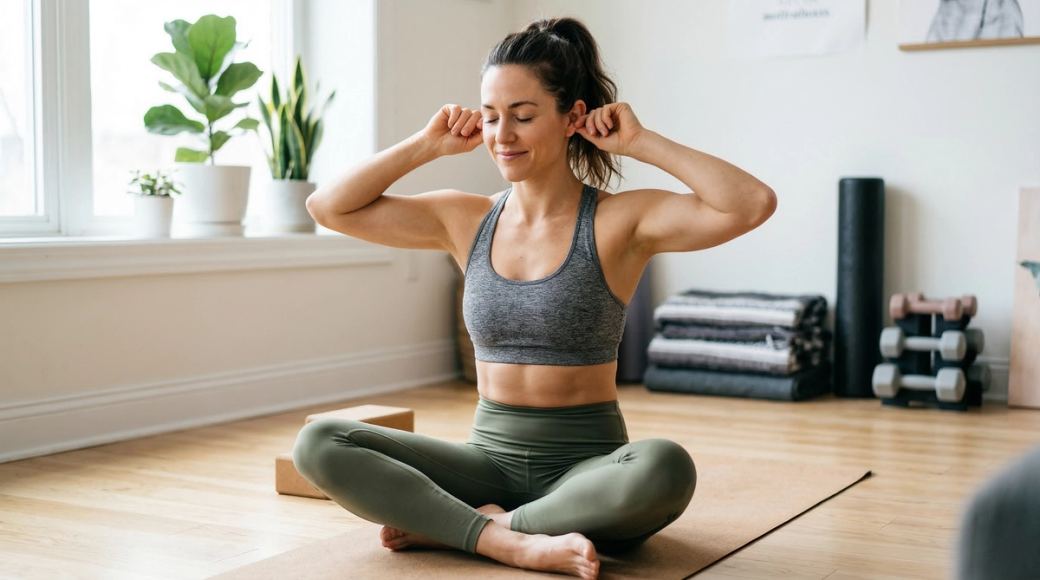
- Ear Massage: Did you know your vagus nerve actually reaches the surface of your skin right at your ear? Using your index finger, gently rub the little bowl-shaped hollow just outside the ear canal in slow circles for about a minute. It feels great, and it's one of the easiest vagus nerve relaxation exercises you can sneak in anywhere, whether you're sitting at your desk or riding the train.
- The Basic Neck Release: We tend to hold a lot of our daily stress in our neck and shoulders. Here is a simple trick: cross your fingers behind your head where your neck meets your skull. Keep your nose pointing straight forward, but move just your eyes to look as far to the right as you can. Hold that gaze until you naturally feel the urge to swallow, sigh, or yawn (about 30 to 60 seconds). Bring your eyes back to the center and repeat on the left side. This tiny movement gently releases tension in your neck and signals your body to relax.
- Collarbone Tapping: Cross your arms lightly over your chest like you are giving yourself a loose hug. Use fingertips to gently tap the space just beneath your collarbones. Alternate left and right at a steady, heartbeat-like pace for about a minute. This rhythmic tapping helps loosen up tightness in your chest, giving your nerves a clear, relaxed path to send calming signals through your body.
- Jaw Softening: When we are stressed, we often clench our jaws without even noticing. Place fingertips on the hinges of your jaw (right in front of your earlobes) and gently drag your fingers downward toward your chin. Let your mouth open slightly so your lower jaw hangs nice and loose. Letting go of this tight grip helps the whole body breathe a sigh of relief.
These manual techniques are perfect for sudden stress, giving you a practical toolkit for calming the vagus nerve right when you need it most.
1. The vagus nerve breathing exercises
The simplest, most accessible, and most profound way to practice vagus nerve stimulation is through controlled, diaphragmatic breathing. Most of the time, stress forces us into shallow chest breathing, which paralyzes the body's natural relaxation responses.
- The technique: Focus on extending exhale. Inhale slowly through your nose for a count of four, letting your belly expand. Then, exhale slowly through pursed lips for a count of six or eight. This prolonged exhalation is the critical piece of any breathing exercise for vagus nerve stimulation because the nerve is primarily activated during the outward breath, releasing calming chemical signals to your heart.
- The goal: Aim for a slow, deep breath rate, ideally around five to six breaths per minute. Consistent practice rapidly boosts your baseline vagal tone and serves as a powerful, on-demand tool for vagus nerve anxiety relief. You can also try to take a deep breath in, add one more tiny sip of air at the top, and let out a long, audible sigh. This double-inhale pops open the tiny air sacs in your lungs, triggering an instant drop in cortisol.
2. Shock your system: the “cold shower vagus nerve” hack
Acute, brief exposure to cold is a scientifically validated method for instant parasympathetic activation. It forces your autonomic nervous system to adjust, slowing your heart rate. If you are researching how to stimulate the vagus nerve naturally, temperature manipulation is a top-tier biohacking tool.
- The technique: You don't need a 10-minute ice bath to see results. Simply finish your regular morning shower with 30 to 60 seconds of cold water. Focus the icy spray primarily on your face, the back of your neck, and chest — the areas where the nerve runs closest to the surface of the skin.
- The result: This method acts as a fast-acting biological reset that clears physical sluggishness. It leaves you feeling highly alert yet deeply calm, optimizing movement dynamics for the day ahead.

3. Use your voice: humming and gargling
The vagus nerve directly innervates the muscles in your throat and vocal cords. Using these muscles intentionally is a direct internal stimulation. If you look up effective vagus nerve exercises reddit threads, you will frequently see high-performers and biohackers discussing the profound impact of vocal vibrations.
- Humming to stimulate the vagus nerve: Humming creates a deep, internal vibration in the back of the throat and chest, keeping the drainage and nerve pathways open. As one of the quickest vagus nerve exercises for anxiety, you can use it to regain control of your nervous system anywhere. Try taking a deep breath and humming a low, steady “Mmmm” or an “Om” sound as you exhale. Feel the vibration in your chest and teeth. Do this for just two minutes when stuck in traffic or before a stressful meeting.
- Gargling for vagal tone: Gargling requires strong, sustained muscular contraction in the back of your throat. Try gargling with a glass of water first thing in the morning. Gargle hard enough and long enough until your eyes water slightly — this tearing is a biological indicator that you are engaging the nerve fully and stimulating a parasympathetic response.
4. Physical nerve massage and manipulation
Your body's soft tissues — muscles and fascia can physically trap tension, compressing internal structures. You can directly influence the nerve's pathway through gentle physical techniques, sending mechanical signals to the brain to transition into calm.
- Vagus nerve massage: Gently massage the sides of your neck, starting from the area just behind the earlobe and dragging your fingers slowly down to the collarbone. Use a light, soothing pressure. This area traces the nerve's superficial branches, and if you are wondering how to calm vagus nerve pathways quickly, relaxing these surrounding muscles can have an immediate, systemic calming effect.
- Eustachian tube clearing: Try taking a glass of water and focusing on slow, intentional sips. Feel the water in your mouth, swallow slowly, and focus on the release of tension in your throat. This mechanical rhythm helps reduce the rigid sensation of anxiety.
5. Gut-brain axis support
The gut is often referred to as the “second brain”. Because approximately 80% of the vagus nerve's fibers carry information from the gut up to the brain, rather than the other way around, optimizing your gut health is a powerful, indirect form of resetting your vagus nerve. When digestion is sluggish, it sends distress signals straight to your mind.
- Pure Ingredients, Real Results: Eating a nutrient-dense diet rich in fiber supports a healthy microbiome. Supplements containing prebiotics, probiotics, and postbiotics help maintain balanced gut flora. A regulated gut environment sends positive, “safe” feedback signals to the brain via the vagal pathway, naturally calming down the vagus nerve and reducing systemic inflammation.
- Mindful Eating: Eating in a rushed, stressed state shuts down your digestive pumps. Chewing food slowly and thoroughly (20-30 chews per bite) acts as a mechanical trigger. It signals to your nervous system that you are safe, encouraging the vagus nerve to initiate the “rest and digest” protocol efficiently.
6. Movement and somatic practices
Sitting still all day locks your body into a static freeze, stalling circulation and compressing tissues. Engaging your body in mindful, rhythmic movement is scientifically proven to steadily improve heart rate variability (HRV) and boost vagal tone. If you are looking for vagus nerve anxiety exercises, shifting your physical state is a non-negotiable step.
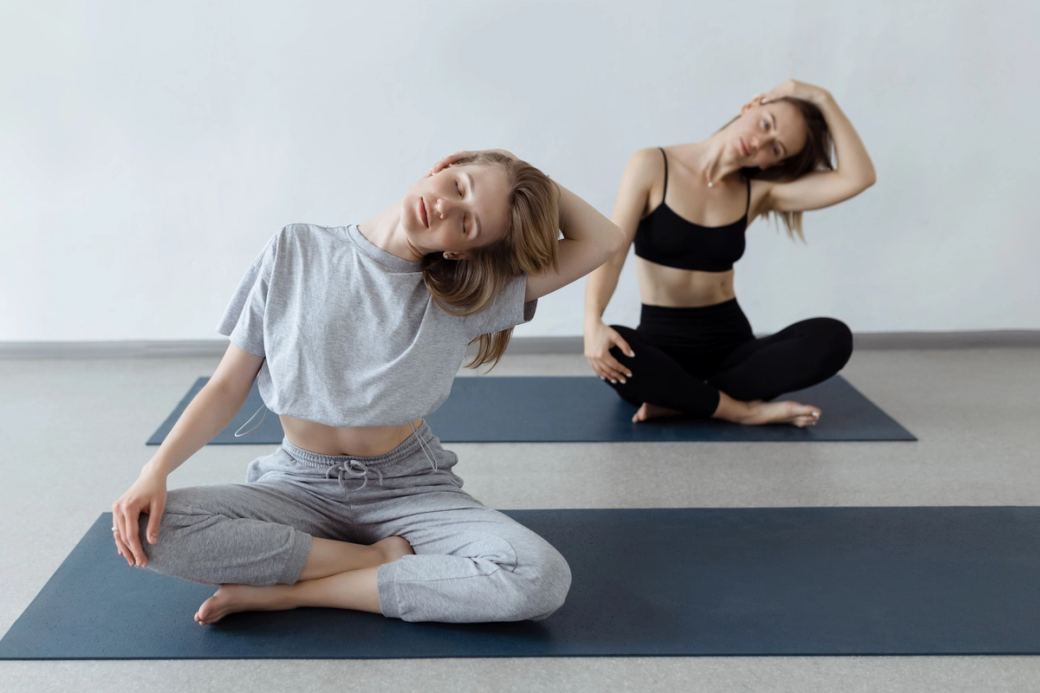
- The technique: Consistent practices like yoga, mobility flows, and rhythmic aerobic exercises are proven ways to stimulate vagus nerve anxiety relief. Postures that gently open the chest, rotate the spine, or lengthen the neck are particularly beneficial for creating physical space around the nerve.
- Breath-synced walking: Walking is a natural reset, and breathwork turns it into an active tool. Try the “breath counting” walk: inhale for 3 steps, then exhale for 3 steps. This 3:3 synchronization coordinates your body's biggest muscular pumps (calves) with your diaphragm, creating an internal rhythm that flushes out stress hormones and physically grounds the nervous system.
7. Social connection and emotional regulation
According to the Polyvagal Theory, our autonomic nervous system is highly sensitive to our social environment. We constantly read cues of safety or danger from the people around us.
- Co-regulation: Simple, warm actions like genuine laughter, singing with friends, and giving or receiving a sincere hug all activate the ventral vagal complex (the branch associated with social engagement). This immediately dials down the "fight or flight" response. Your nervous system literally synchronizes with calm, safe people around you.
- Emotional focus: Studies show that actively practicing feelings of compassion and gratitude can significantly increase vagal tone. During a tense moment, close your eyes, take a deep breath, and mentally identify three things you are grateful for right now. This technique lowers cortisol, dilates internal vessels, and tells your body that it is safe to relax.
Making nervous system regulation a habit
When it comes to biological optimization, persistence is the core driver of success. These vagus nerve reset exercises offer immediate relief, helping to manage physical tension and build genuine resilience against vagus nerve and anxiety responses. However, just like building muscle in the gym, you must train your vagal tone regularly for the changes to become permanent.
Sticking to a new routine is hard, especially when you're already stretched thin. Between work pressure, a packed schedule, and just feeling completely wiped out, adding one more thing to your plate can feel impossible. We’ve been there, too. That’s why we focused on turning the complicated science of your nervous system into simple, quick habits that actually fit into a busy day.
If you need a clear plan to build these habits into your daily life, we designed a step-by-step program to keep you on track. Committing to a structured 28 day vagus nerve reset helps you stick with the journey long enough to experience profound, compounding shifts in your physical and mental baseline.
Even 60 seconds of a cold splash, a few deep diaphragmatic breaths, or a quick ear massage can initiate your next shift toward calm. Put in the effort, stay consistent, and the biological rewards will follow.

Feel calmer, sleep deeper.
Related articles

Movement Breaks: Get Kids Moving to Reset Focus
Movement breaks reset a child's focus by working the body first. Here's the science, when to use them, and movement break ideas for class or home.

Easy Brain Breaks for the Classroom
Brain breaks for the classroom: an evidence-informed teacher's guide to quick movement resets that refocus a class — by grade, energy level, and transition.
Brain Breaks for Students: Elementary & Middle School
Brain breaks for elementary and middle school students — age-appropriate movement resets that refocus a class or a tween at home, without the kiddie feel.

Brain Breaks for Kindergarten and Preschool (Ages 3–6)
Brain breaks for kindergarten and preschool: short, playful movement pauses for ages 3–6 that reset wiggly focus at circle time or at home.